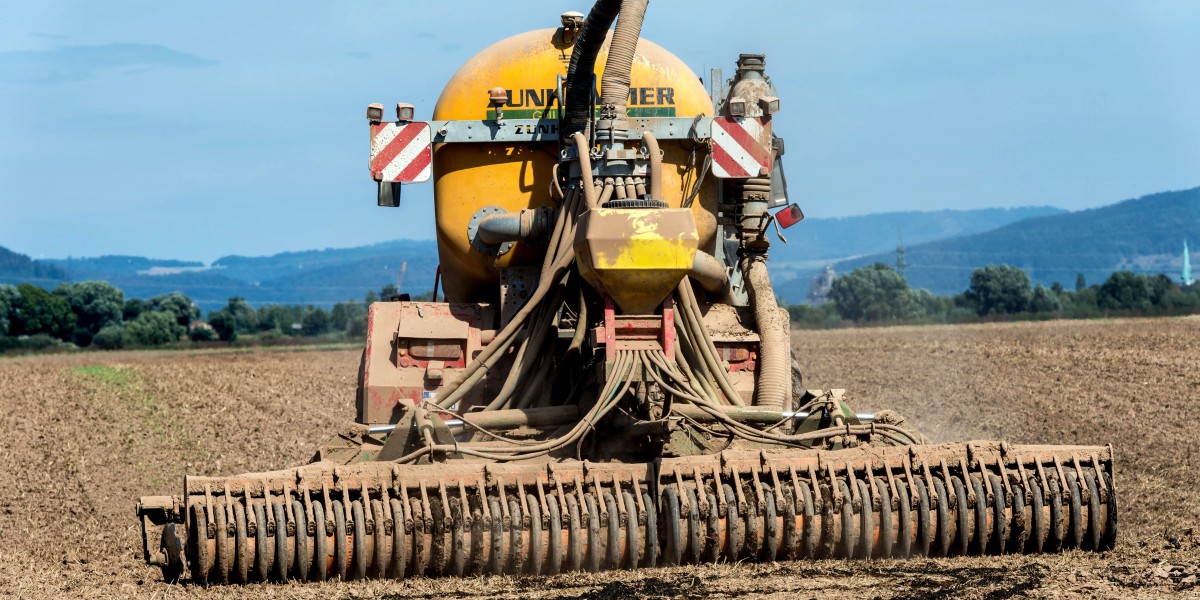

The agricultural industry is continuously adapting to changing production requirements, environmental considerations, and technological developments. Crop nutrition remains an important part of this transformation because plants need balanced nutrients to grow and develop successfully. Starter fertilizers are becoming increasingly relevant within modern crop nutrition strategies because they focus on supporting plants during their early growth stages.
Growing attention toward advanced crop nutrition technologies reflects the changing requirements of farmers and agricultural professionals. Starter fertilizers help provide essential nutrients near developing roots, supporting early plant establishment and helping growers manage crop nutrition more effectively. Their future development will depend on innovation, farming technology, soil management, and the increasing importance of sustainable agricultural practices.
Changing Needs of the Agricultural Industry
Farmers face several challenges when managing agricultural production. Soil fertility, changing weather patterns, water availability, and input management influence crop development and farming decisions.
As agricultural requirements evolve, growers are becoming more interested in fertilizer products that address specific crop nutrition needs.
Starter fertilizers provide an opportunity to focus on early plant development rather than depending entirely on fertilizer applications made later in the growing season.
Their use can support a more organized nutrient management strategy by considering the nutritional requirements of crops from the beginning of their development.
Technological Advancements in Starter Fertilizers
Fertilizer technology continues to evolve as manufacturers explore improved formulations and application methods.
Liquid starter fertilizers are gaining attention because they can be incorporated into suitable fertilizer delivery systems. Their application can be coordinated with planting equipment, helping farmers manage nutrient placement.
Granular starter fertilizers remain useful for agricultural systems that rely on dry fertilizer application.
Manufacturers are also interested in formulations that address specific nutrient deficiencies and improve nutrient accessibility under different soil conditions.
These developments demonstrate how fertilizer products are becoming more specialized to meet changing agricultural requirements.
Precision Agriculture and Nutrient Placement
Precision agriculture is changing the way farmers manage crop inputs. Digital technologies, soil mapping, GPS-supported equipment, and field monitoring tools are helping growers understand agricultural conditions more accurately.
These technologies can support more informed fertilizer application decisions.
Starter fertilizers can be integrated into precision planting systems to deliver nutrients close to developing seeds and roots.
Farmers may also use soil testing and field observations to identify areas with different nutritional requirements.
This combination of technology and targeted fertilizer application can support efficient crop management.
Importance of Crop-Specific Formulations
Different crops have different nutritional requirements. The fertilizer formulation suitable for one crop may not necessarily be appropriate for another.
Corn, soybean, wheat, and vegetable crops all have specific nutritional needs influenced by their growth characteristics and cultivation environments.
Fertilizer manufacturers are therefore exploring formulations designed for particular crop categories and soil conditions.
Crop-specific starter fertilizers can help farmers select products that match their cultivation practices.
Agricultural consultants and soil specialists also play an important role in helping growers identify suitable nutrient management approaches.
Sustainable Nutrient Management
Sustainability is expected to remain an important influence on the development of the starter fertilizers segment.
Farmers are increasingly aware of the importance of maintaining soil fertility while reducing unnecessary fertilizer applications.
Responsible nutrient management includes soil testing, balanced fertilizer selection, correct placement, and suitable application timing.
Starter fertilizers can support these objectives when incorporated into a well-planned crop nutrition program.
They should also be considered alongside other agricultural practices, including crop rotation, organic matter management, conservation agriculture, and responsible water management.
The combination of these approaches can help support long-term agricultural productivity.
Opportunities for Fertilizer Manufacturers
Changing agricultural requirements are creating opportunities for fertilizer manufacturers to develop improved products.
Companies can focus on formulations suitable for different crops, soil characteristics, and application systems.
Product convenience is another important consideration. Farmers may prefer fertilizers that integrate easily with existing planting equipment and farm management practices.
Manufacturers can also support adoption by providing clear application guidance and technical information.
Agricultural education and partnerships with farming communities can help improve awareness of starter fertilizer applications.
Challenges Affecting Adoption
Despite their potential, starter fertilizers face several adoption challenges.
Farmers need to understand the differences between fertilizer formulations and identify products suitable for their crops.
Application equipment, soil conditions, and fertilizer handling requirements can also influence purchasing decisions.
In some farming environments, limited access to agricultural information or modern equipment may make adoption more difficult.
Providing practical guidance, improving product availability, and supporting farmers with technical knowledge can help address these challenges.
Future Outlook for Starter Fertilizers
The future of starter fertilizers will be shaped by agricultural modernization and increasing attention to efficient crop nutrition.
Developments in precision agriculture, fertilizer formulation, and soil management may create new opportunities for manufacturers and growers.
There is also potential for greater integration between starter fertilizers and digital farm management systems.
As farmers continue exploring ways to improve early plant establishment, demand for specialized crop nutrition solutions may remain an important consideration within the agricultural industry.
Conclusion
Starter fertilizers have an important role in the future of modern crop nutrition. Their focus on early plant development makes them valuable for farmers seeking suitable nutritional support during crop establishment. Technological advancements, precision agriculture, and sustainable fertilizer management will continue influencing product development and agricultural adoption. With continued innovation, starter fertilizers can remain an important component of modern farming strategies.
FAQs
Q1. What is the future of starter fertilizers in agriculture?
The future will likely involve improved fertilizer formulations, crop-specific nutrient solutions, precision application technologies, and greater integration with sustainable farming practices.
Q2. How can technology improve starter fertilizer application?
Precision planting equipment, soil testing, digital field mapping, and GPS-supported technologies can help farmers improve fertilizer placement and make more informed nutrient management decisions.