
The Football Market is experiencing continuous development as football becomes increasingly connected with entertainment, digital communication, consumer products, and professional sports activities. The sport attracts people from different age groups and backgrounds, creating a broad audience for clubs, leagues, manufacturers, sponsors, and broadcasting companies. Football's ability to connect communities and generate strong emotional relationships with supporters makes it an important part of the international sports industry. As consumer expectations change, organizations are exploring new ways to improve the overall football experience.
The growing demand for football sports equipment and apparel highlights the importance of consumer products within this industry. Football boots, jerseys, training equipment, protective accessories, and other sporting products support both professional athletes and recreational players. Manufacturers are focusing on product functionality, comfortable materials, attractive designs, and improved performance characteristics to meet the preferences of different consumer groups.
Sports apparel represents an important part of football-related commercial activity. Jerseys and training kits are purchased by professional players, amateur participants, and supporters. Team merchandise also creates opportunities for sports brands to develop recognizable collections connected with football clubs and competitions. Special editions, player-inspired collections, and customized apparel can further encourage consumer interest.
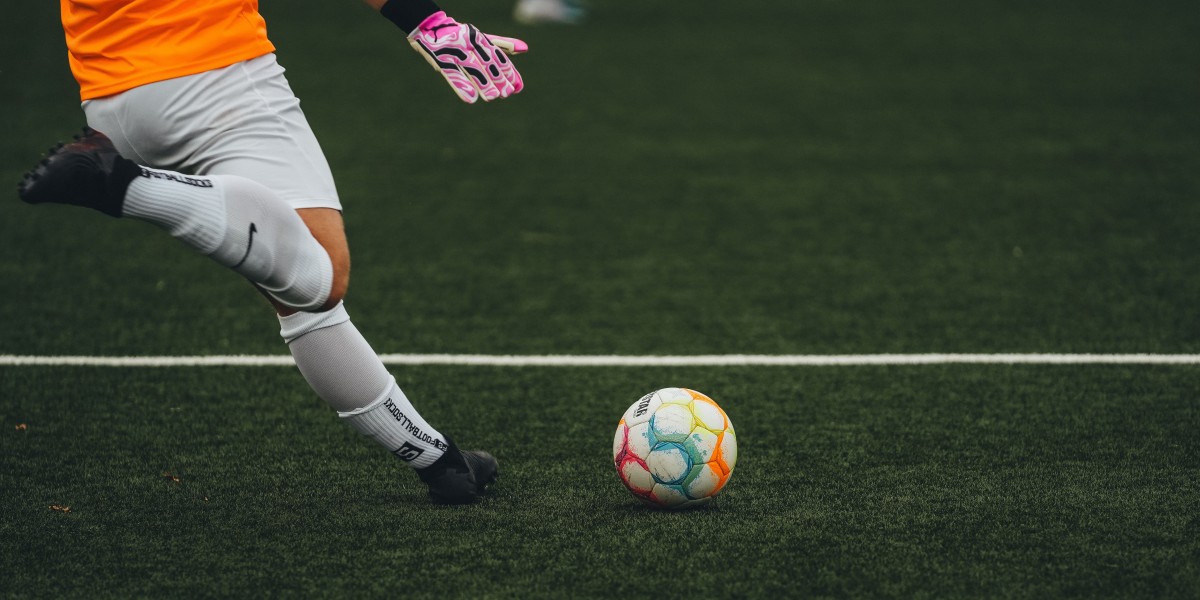
Football footwear is another important product category. Players require footwear that supports movement, grip, comfort, and control across different playing surfaces. Manufacturers continue to explore material improvements, innovative designs, and product technologies to meet these requirements. Different footwear options are developed for natural grass, artificial surfaces, and indoor playing environments.
The influence of professional football players also contributes to consumer purchasing preferences. Popular players often become influential figures in sports marketing and product promotion. Their association with footwear brands, apparel manufacturers, and sporting equipment companies can increase product visibility. Fans may also develop stronger interest in merchandise associated with their favorite players and clubs.
Another important trend is the increasing importance of online retail. Digital shopping platforms allow consumers to explore football merchandise and equipment conveniently. Buyers can compare designs, examine product descriptions, and discover different brands through online channels. Football clubs and sports manufacturers are also using digital platforms to promote exclusive collections and connect directly with customers.
Fan communities remain central to football's commercial development. Supporters often develop strong emotional relationships with their favorite teams, creating consistent interest in matches, merchandise, and club-related activities. Football organizations use digital campaigns, membership programs, promotional events, and interactive content to maintain these relationships. Social media has also made it easier for fans to communicate with clubs and participate in wider sporting discussions.
The development of football infrastructure creates additional opportunities for businesses. Stadium improvements, training centers, sports academies, and community playing facilities contribute to the overall sporting environment. These facilities support professional competitions while encouraging recreational participation. Infrastructure development also creates demand for sports flooring, maintenance services, lighting systems, seating, and other related products.
Youth participation is another important contributor to the football ecosystem. Schools, coaching centers, and local sports academies encourage children to develop football skills. This creates opportunities for manufacturers of junior football equipment, training apparel, footwear, and protective accessories. Accessible sporting facilities can further support participation and help introduce football to new communities.
Sustainability is gradually becoming a consideration in sports product development. Manufacturers may explore recycled materials, responsible production practices, durable designs, and improved packaging solutions. These initiatives can help brands respond to consumers who increasingly consider environmental aspects when evaluating products.
However, companies operating in the football industry must respond to changing fashion preferences, product competition, manufacturing requirements, and consumer expectations. Maintaining product quality while introducing attractive designs remains important for developing customer confidence.
In conclusion, the Football Market offers opportunities across sports apparel, footwear, equipment, merchandise, infrastructure, and digital retail. Continued innovation and stronger connections with football communities can help organizations remain competitive while supporting the sport's growing commercial ecosystem.
FAQs
Q1. What products are included in the Football Market?
The market includes footballs, footwear, jerseys, training kits, protective equipment, accessories, sports merchandise, and other products associated with playing and supporting football.
Q2. How does fan engagement support football-related businesses?
Fan engagement encourages interest in merchandise, club memberships, match attendance, sponsorship activities, and digital content, creating commercial opportunities for football organizations and associated brands.