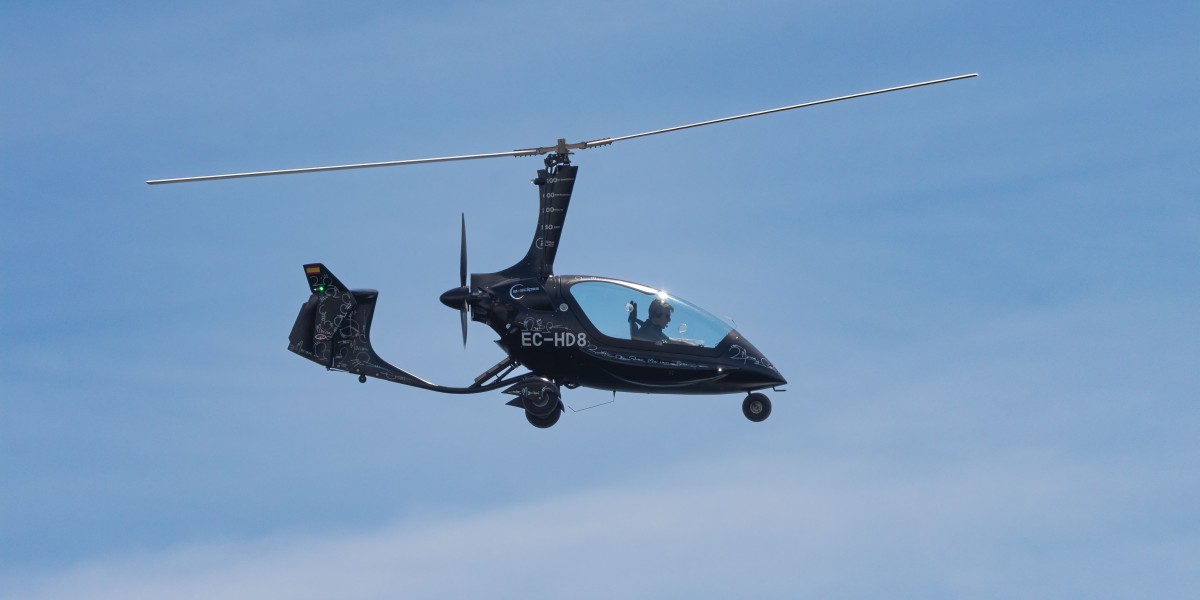

The aviation industry continues to evolve with growing interest in compact, lightweight, and versatile aircraft. Among the different categories of personal aviation, two-seater ultralight helicopters are gaining attention for their distinctive flying capabilities and practical applications. These helicopters are designed to accommodate a pilot and one passenger, offering an accessible option for individuals interested in recreational flying, aviation training, and private transportation. Their compact structure and specialized design make them an interesting segment within the broader aviation industry.
The growing interest in personal aviation is encouraging manufacturers to explore new possibilities in helicopter engineering and design. The two-seater ultralight helicopter industry reflects the increasing attention toward lightweight rotorcraft, compact aviation solutions, and specialized flying experiences. As aviation enthusiasts and private operators explore alternative aircraft categories, manufacturers are focusing on improving operational convenience, flight control systems, structural efficiency, and overall aircraft functionality.
One of the important factors influencing this market is the increasing popularity of recreational aviation. Flying enthusiasts are exploring different aircraft options that provide flexibility and an engaging flying experience. Two-seater ultralight helicopters offer an opportunity to experience vertical takeoff and landing capabilities while maintaining a relatively compact aircraft design. Their ability to operate in environments where conventional fixed-wing aircraft may have limitations makes them an attractive option for specific recreational activities.
Aviation training is another area creating opportunities for this segment. Learning to operate helicopters requires specialized knowledge, coordination, and practical experience. Compact two-seater helicopters can support certain training activities by providing an aircraft configuration suitable for pilot instruction and familiarization. Aviation schools and training organizations may consider these helicopters for introductory flying experiences, subject to applicable aviation regulations and aircraft certification requirements.
Technological development is also influencing the direction of the industry. Manufacturers are exploring improvements in rotor systems, lightweight materials, cockpit layouts, and flight monitoring technologies. These developments are intended to support aircraft performance, reliability, and ease of operation. Modern engineering approaches are helping manufacturers investigate ways to create compact helicopter platforms without compromising essential structural and operational requirements.
Another important consideration is the use of advanced materials in aircraft construction. Lightweight materials can contribute to reducing overall aircraft weight while supporting structural strength and durability. Manufacturers are interested in materials and construction methods that improve efficiency and simplify maintenance requirements. The selection of suitable materials remains important because ultralight helicopters must balance weight restrictions with safety, stability, and mechanical performance.
The market also benefits from growing interest in personalized aviation experiences. Private flying offers enthusiasts an opportunity to explore aviation beyond conventional commercial travel. Two-seater ultralight helicopters can appeal to individuals who appreciate specialized aircraft and want to participate in recreational flying activities. Their compact configuration also makes them relevant to aviation communities interested in experimental aircraft and specialized rotorcraft.
However, the industry faces several considerations that may influence its development. Aviation safety requirements, regulatory approvals, pilot training, maintenance practices, and component availability remain important factors. Manufacturers must address these considerations while developing products that meet the expectations of potential buyers. Understanding the regulatory environment is particularly important because ultralight aircraft classifications and operating permissions can differ across countries.
Looking ahead, innovation and changing preferences within personal aviation could create new opportunities for two-seater ultralight helicopter manufacturers. Continued attention to aircraft design, operational efficiency, pilot experience, and maintenance accessibility may help strengthen the segment. Manufacturers that prioritize engineering quality and compliance with relevant aviation requirements can improve their position in an increasingly specialized aviation environment.
The two-seater ultralight helicopter market represents an interesting intersection of recreational aviation, lightweight engineering, and personal flying. As manufacturers continue exploring new technologies and aviation enthusiasts seek distinctive flying experiences, this market may remain an important area of interest within the evolving rotorcraft industry.
FAQs
Q1. What is a two-seater ultralight helicopter?
A two-seater ultralight helicopter is a lightweight rotorcraft designed to accommodate a pilot and one passenger. It is generally associated with recreational flying, specialized aviation activities, and certain training applications.
Q2. What factors are influencing the two-seater ultralight helicopter market?
Important factors include growing interest in recreational aviation, aircraft engineering improvements, lightweight construction materials, pilot training requirements, and developments in aviation technology.