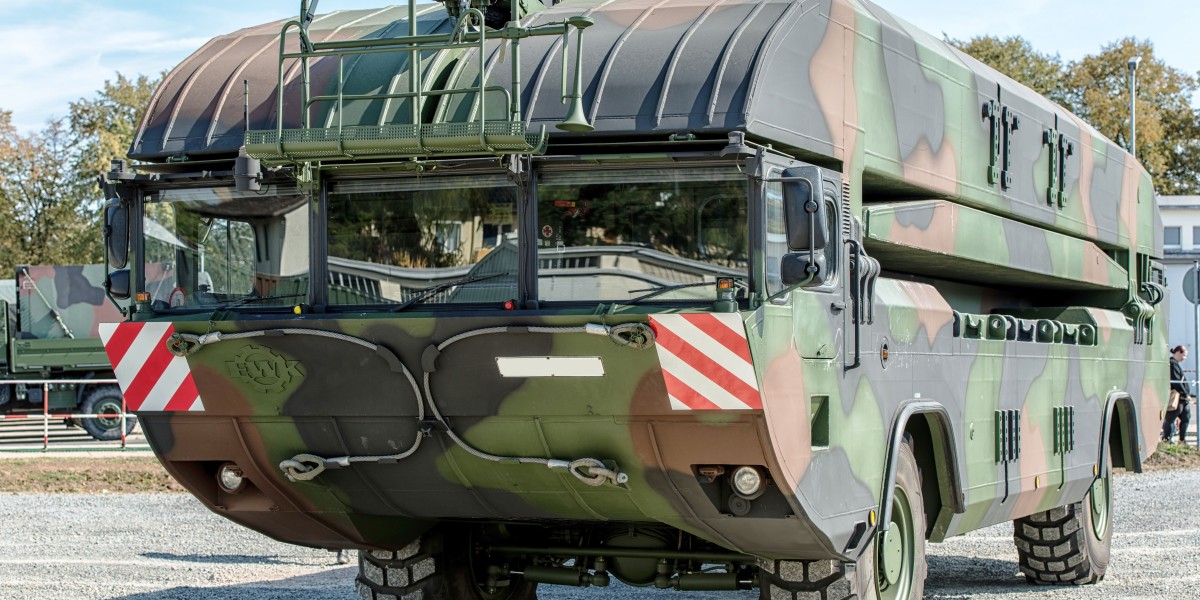

Defense logistics is an essential part of military vehicle sustainment. Military organizations require more than operational vehicles to maintain effective transportation and mobility capabilities. They also need replacement components, maintenance equipment, technical personnel, repair facilities, and organized distribution systems. These resources must work together to support vehicle availability across different operational environments. Without appropriate logistical coordination, even routine maintenance activities can become difficult to manage.
The importance of defense vehicle logistics and sustainment management continues to attract attention as military organizations focus on maintaining reliable fleets. Sustainment logistics connects maintenance requirements with the resources needed to complete repairs and support equipment throughout its operational lifecycle. It includes inventory management, procurement, transportation, supplier coordination, technical support, and maintenance planning.
Understanding the Relationship Between Logistics and Sustainment
Military vehicle sustainment depends on an organized logistics network. Maintenance teams need access to the right components, equipment, and technical resources to perform their responsibilities.
For example, repairing a vehicle may require specialized replacement components, technical documentation, diagnostic tools, and trained personnel. If any of these resources are unavailable, the maintenance process may experience delays.
Logistics management helps organizations coordinate these requirements and maintain better visibility over available resources.
It also connects different departments involved in vehicle support, including procurement teams, warehouse personnel, maintenance facilities, suppliers, and operational units.
Spare Parts Inventory Management
Spare parts management is one of the most important elements of defense vehicle logistics. Military vehicles contain different mechanical and electronic systems that require specific replacement components.
Organizations must maintain accurate inventory records to understand which components are available and which require procurement.
Inventory planning involves identifying frequently required components, monitoring stock availability, and coordinating replacement supplies.
Poor inventory management can create maintenance complications. A vehicle may remain unavailable even when the required repair work is straightforward if an essential component cannot be obtained.
A structured inventory system can help organizations organize component information and coordinate procurement activities.
Role of Maintenance Facilities
Maintenance facilities provide the infrastructure required to inspect, repair, and service military vehicles.
These facilities may support routine servicing, complex mechanical repairs, electrical system maintenance, component replacement, and vehicle modernization.
The capabilities of a maintenance facility depend on its equipment, technical personnel, infrastructure, and access to replacement components.
Different vehicle categories may require different maintenance arrangements. Specialized platforms can involve technical systems that need dedicated diagnostic equipment and trained specialists.
Mobile maintenance facilities can also support vehicle servicing in locations where established repair infrastructure is limited.
Supply Chain Coordination
Defense supply chains involve multiple participants responsible for manufacturing, supplying, transporting, and distributing vehicle components.
Coordination between these participants is necessary to maintain the availability of essential materials.
Military organizations may work with original equipment manufacturers, specialized component suppliers, maintenance contractors, and logistics providers.
Supplier relationships are particularly important when dealing with specialized vehicle components.
Organizations also need to consider the availability of replacement parts for older vehicles. Some components may become difficult to obtain as manufacturing activities and equipment designs change.
Long-term supply chain planning can help address these requirements and support the continued maintenance of existing fleets.
Digital Logistics Management
Digital technologies are creating new opportunities for improving defense logistics.
Inventory management platforms can help organizations maintain component records, monitor stock availability, and coordinate procurement requirements.
Digital maintenance systems can connect repair histories with spare parts requirements, allowing logistics teams to better understand which components are needed for ongoing maintenance activities.
Data integration can also improve communication between maintenance facilities and distribution departments.
When logistics and maintenance information are organized effectively, organizations can make more informed decisions about resource allocation.
Challenges in Defense Logistics
Military vehicle logistics involves challenges related to supply chain complexity, equipment diversity, transportation requirements, and component availability.
Maintaining different vehicle platforms requires access to specialized replacement components and technical resources.
Remote deployments can make transportation and distribution more complicated. Maintenance teams may need to coordinate equipment support across locations with limited infrastructure.
Another challenge is maintaining supply chain continuity when suppliers experience production or distribution disruptions.
Organizations must therefore consider inventory planning, supplier coordination, and alternative support arrangements when developing sustainment strategies.
Future Opportunities in Military Vehicle Sustainment
Military vehicle sustainment logistics is expected to evolve through the integration of digital inventory systems, advanced maintenance planning, improved supplier coordination, and connected fleet management platforms.
Predictive analytics may help organizations understand component requirements and identify potential maintenance needs.
Modernization will also influence logistics planning because updated vehicle systems may require different replacement components and technical support arrangements.
As defense fleets continue to evolve, integrated logistics will remain essential for maintaining vehicle readiness and operational reliability.
FAQs
Q1. Why is logistics important in military vehicle sustainment?
Logistics ensures that maintenance teams have access to replacement components, technical resources, equipment, and transportation support required to maintain military vehicles.
Q2. How does inventory management help military vehicle maintenance?
Inventory management helps organizations track spare parts, coordinate procurement, organize component distribution, and reduce delays associated with unavailable replacement materials.