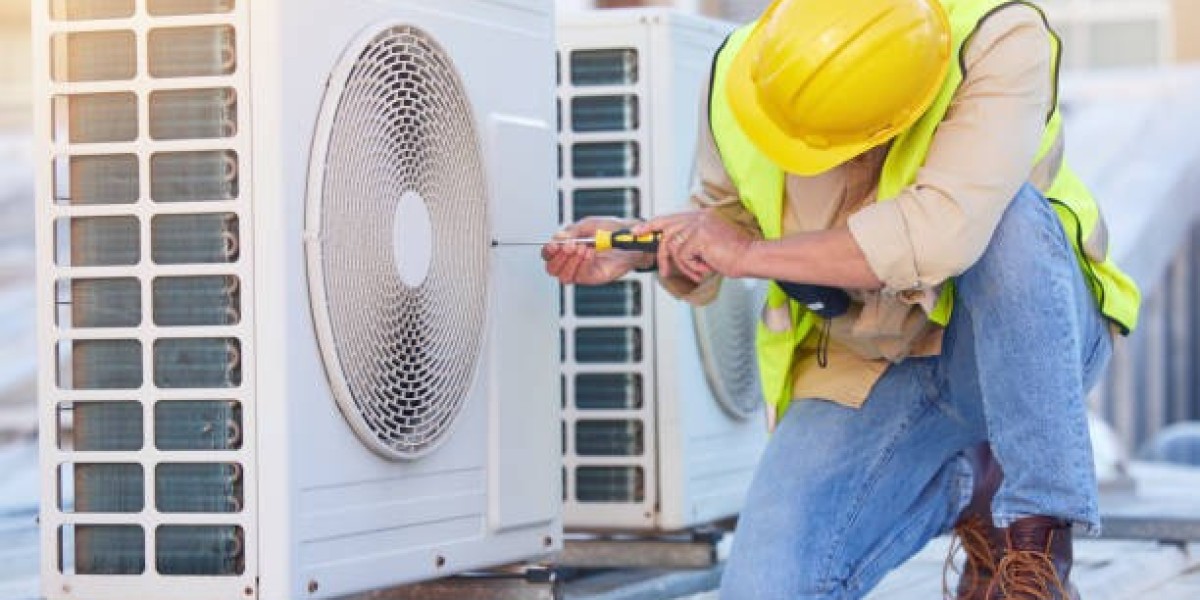

Air Condition Market is experiencing a technological transformation as manufacturers increasingly focus on intelligent cooling systems and connected home appliances. Consumers are becoming more interested in air conditioners that offer convenient controls, consistent performance, and improved energy management. Conventional cooling equipment is gradually being complemented by smart systems that incorporate digital interfaces, automated temperature adjustment, and remote accessibility. These developments are changing customer expectations and encouraging manufacturers to develop products that integrate easily into modern residential and commercial environments. As smart technology becomes more familiar, connected air conditioning solutions are creating additional opportunities for appliance manufacturers.
The growing adoption of intelligent appliances is strengthening interest in the smart climate control and cooling equipment segment. Smart air conditioners can connect with mobile applications and compatible home automation platforms, allowing users to manage cooling settings from different locations. Features such as scheduling, remote operation, automatic temperature adjustment, and system notifications provide greater convenience. Some advanced systems also incorporate sensors that respond to indoor conditions and occupancy patterns. These capabilities can help users manage cooling preferences more efficiently while providing manufacturers with opportunities to differentiate their products through connected functionality.
Artificial intelligence and automation are introducing additional possibilities for indoor climate management. Intelligent systems can use environmental information and operating patterns to support automated cooling adjustments. These capabilities may help users maintain comfortable indoor conditions without constantly changing settings manually. In commercial facilities, automated controls can assist building managers in monitoring multiple air conditioning units through centralized platforms. The integration of intelligent software with cooling hardware is therefore becoming an important development area. Manufacturers are exploring how automation can improve user convenience, system monitoring, and overall equipment management.
Another important development involves the integration of air conditioners with smart home ecosystems. Modern households increasingly use connected lighting, security systems, smart speakers, and other automated appliances. Air conditioning manufacturers are developing products that can operate alongside these technologies through compatible platforms. Users may control temperature settings through smartphone applications or voice commands, depending on product compatibility. This integration can simplify household management and provide a more coordinated experience. As connected homes become more common, interoperability and user-friendly software are likely to influence consumer purchasing decisions.
Energy monitoring is also becoming an important feature in advanced cooling systems. Consumers want greater visibility into appliance operation and electricity usage, particularly when air conditioners are used frequently. Digital interfaces and monitoring applications can provide information that helps users understand operating patterns and adjust settings accordingly. Inverter compressors and intelligent cooling modes further support efforts to optimize system performance. Manufacturers are increasingly highlighting these capabilities when introducing new products. The combination of energy-conscious engineering and connected monitoring can create additional value for customers seeking convenient and efficient cooling appliances.
Product design is evolving alongside technological improvements. Manufacturers are focusing on compact indoor units, quieter operation, attractive finishes, and simplified installation processes. These features are relevant for consumers who consider both functionality and appearance when purchasing household appliances. Advanced air filtration and humidity management capabilities are also attracting attention as customers become more conscious of indoor environmental quality. Some products combine multiple functions to provide cooling alongside additional air treatment features. Such developments are encouraging manufacturers to explore differentiated product categories and respond to more specialized customer requirements.
Commercial users are also exploring smart cooling systems to improve building management. Offices, hotels, hospitals, retail establishments, and other facilities may require coordinated temperature control across several spaces. Connected monitoring platforms can help facility managers review equipment conditions and identify maintenance requirements. Centralized management can also simplify the operation of multiple cooling units within larger buildings. Manufacturers and service providers are increasingly considering these requirements when developing commercial air conditioning solutions. The adoption of intelligent building technologies is creating opportunities for cooling equipment that can communicate with wider infrastructure management systems.
The future of smart cooling will depend on continued advancements in connectivity, automation, energy efficiency, and product accessibility. Manufacturers may increasingly focus on user-friendly applications, improved system compatibility, and intelligent maintenance features. However, data security, software reliability, installation support, and product affordability will remain important considerations. Customers expect smart features to provide practical benefits rather than unnecessary complexity. Companies that combine reliable cooling performance with convenient digital functionality may strengthen their appeal among technology-oriented consumers and commercial buyers. These developments will continue shaping innovation across the Air Condition Market.
FAQs
Q: What makes an air conditioner smart?
A: Smart models offer connected controls, mobile applications, automated settings, and remote operation.
Q: Can smart air conditioners be controlled remotely?
A: Yes, compatible models allow users to adjust settings through smartphone applications.
Q: How does automation benefit cooling systems?
A: Automation can simplify temperature management and support more convenient system operation.