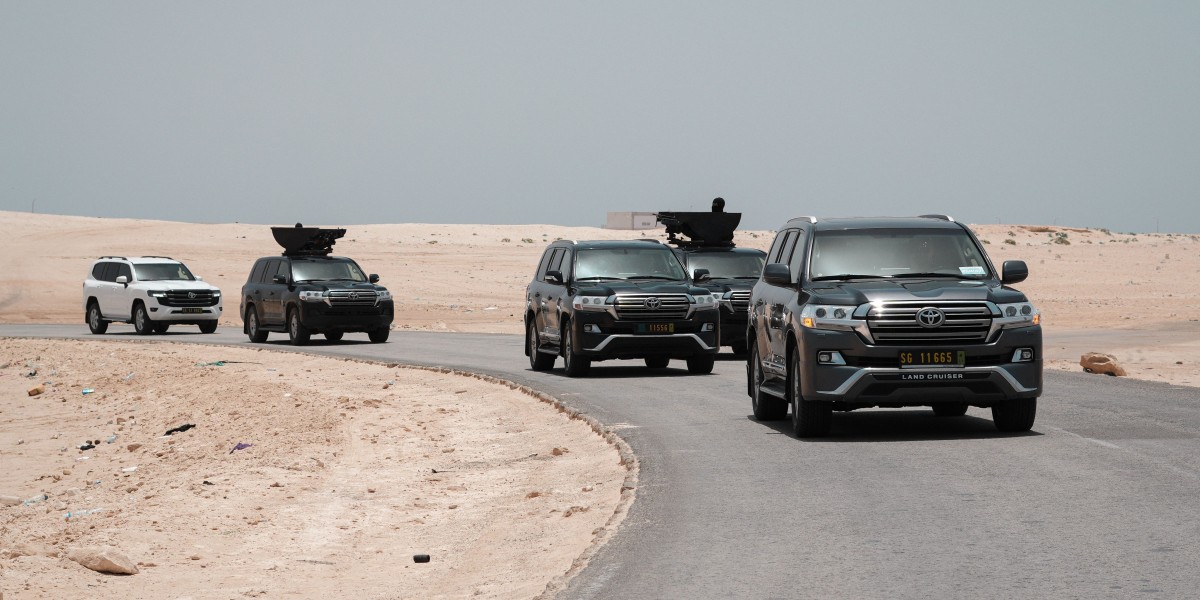

The changing nature of defense operations has increased the importance of specialized military transportation. Armed forces require vehicles that can protect personnel while supporting movement through dangerous locations, remote areas, and difficult operational environments. Mine-resistant protected vehicles have emerged as an important solution for addressing these transportation challenges. Their specialized construction and protective capabilities make them valuable for military organizations seeking dependable transportation platforms.
The increasing focus on tactical armored defense vehicles highlights the importance of combining occupant safety with mobility and operational flexibility. These vehicles are designed to withstand challenging conditions while providing transportation support for military personnel. Their applications include patrol operations, troop movement, security assignments, and logistical activities. As defense requirements continue to evolve, manufacturers are exploring new approaches to improve vehicle protection and performance.
Understanding Tactical Military Protection
Tactical military protection involves developing transportation systems that help personnel operate in environments where conventional vehicles may be unsuitable. Mine-resistant protected vehicles are engineered with specialized structural components intended to reduce the consequences of explosive threats.
Their design emphasizes reinforced passenger compartments, protective underbody structures, and durable exterior construction. These features contribute to the overall protection strategy of the vehicle.
Another important consideration is occupant positioning and interior arrangement. Engineers evaluate how seating systems, restraints, and interior components can contribute to personnel safety during demanding operations.
The vehicle must also remain practical for military use. Interior accessibility, equipment storage, communication integration, and ease of operation are important design considerations.
Evolution of Protective Vehicle Engineering
Protected vehicle engineering has continued to develop alongside changing military requirements. Earlier military transportation platforms often focused heavily on basic structural strength and transportation functionality. Modern development increasingly considers the integration of specialized protective technologies and advanced electronic systems.
Material innovation is particularly important. Manufacturers investigate high-strength steel, composite materials, and other protective solutions to improve structural performance.
The objective is to achieve a suitable balance between durability and weight. A vehicle that provides strong protection must also retain sufficient mobility to operate across different environments.
Vehicle architecture is another area receiving attention. Engineers explore structural configurations that can help manage explosive forces and improve the protection of occupants.
These developments contribute to the creation of specialized platforms designed for demanding military applications.
Importance of Operational Mobility
Protection alone cannot determine the effectiveness of a military vehicle. Mobility is equally important because defense personnel must travel across different terrains and reach locations where operational support is required.
Mine-resistant vehicles are developed with durable mechanical systems and specialized suspension arrangements to support movement under challenging conditions.
Their ability to carry personnel and equipment makes them suitable for different operational assignments. Depending on their configuration, these platforms may support reconnaissance, patrol activities, troop transportation, and security operations.
Vehicle handling and reliability are also important. Military personnel require transportation systems that can operate consistently without creating unnecessary maintenance difficulties.
Integration of Modern Defense Technologies
Modern military vehicle development increasingly involves the integration of electronic and digital technologies. Communication equipment allows vehicle occupants to coordinate with other military units and maintain operational contact.
Navigation systems support movement through unfamiliar environments, while cameras and observation equipment can improve visibility for drivers and vehicle operators.
Vehicle monitoring technologies may also support the identification of mechanical problems. These systems can help maintenance teams understand vehicle conditions and organize servicing activities.
Manufacturers are also considering modular electronic architecture. Such designs can make it easier to integrate additional equipment as military requirements change.
The combination of protective engineering and digital functionality is helping transform mine-resistant vehicles into more capable military platforms.
Applications Across Military Operations
Mine-resistant protected vehicles can support different defense activities depending on their configuration and operational purpose.
Personnel transportation remains a major application. Military organizations require secure transportation systems for moving soldiers between operational locations.
Security patrols represent another important application. Protected vehicles can support personnel operating in areas where explosive threats and uncertain road conditions create transportation risks.
Logistics operations also benefit from specialized vehicles capable of carrying equipment and supplies. Certain configurations can support medical transportation and emergency response activities.
Their versatility makes them relevant to military organizations with diverse operational requirements.
Future Trends in Tactical Protection
Future developments in the MPV mine-resistant protected vehicle market may focus on advanced materials, modular vehicle architecture, integrated electronics, and improved powertrain technologies.
Manufacturers may increasingly prioritize adaptable designs that can accommodate changing military equipment and operational requirements.
Another important area is maintainability. Vehicles designed with accessible components and practical servicing arrangements can support operational readiness.
The continued development of protective transportation platforms reflects the importance of personnel safety in modern defense planning. As military requirements evolve, mine-resistant vehicles are expected to remain an important part of specialized military mobility.
Frequently Asked Questions
Q1. What makes mine-resistant vehicles different from conventional military vehicles?
Mine-resistant vehicles feature specialized protective engineering, reinforced structures, and underbody protection intended to improve occupant safety in environments affected by explosive threats.
Q2. Can mine-resistant protected vehicles support different military missions?
Yes. Depending on their configuration, they can support troop transportation, patrol operations, security assignments, logistics, and specialized military support activities.