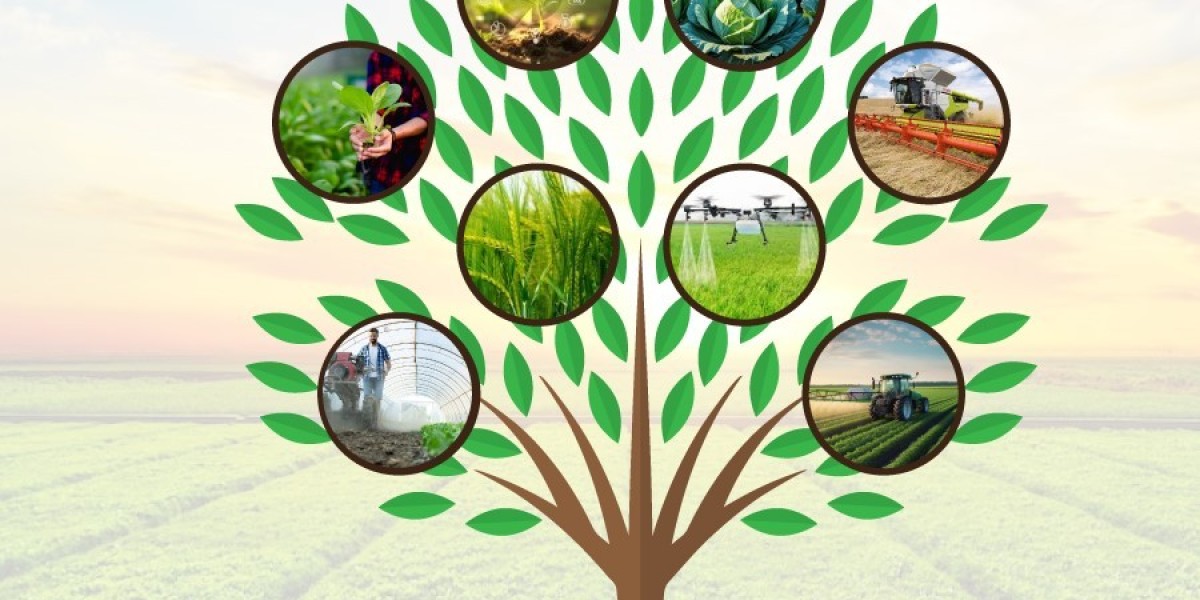

Agricultural Fertigation and Chemigation Market is developing alongside the growing use of smart irrigation technologies in modern farming. Farmers are increasingly expected to produce consistent agricultural output while managing water, fertilizers, and crop protection inputs carefully. Conventional irrigation methods may not always provide the level of control required for intensive cultivation and specialized crop production. Fertigation and chemigation systems offer an integrated way to deliver selected agricultural inputs through irrigation infrastructure. Their adoption is attracting attention among growers who want to improve application management, reduce unnecessary field operations, and make better use of available resources. This shift is encouraging innovation across agricultural irrigation systems.
The move toward precision water and agricultural input management is helping farmers rethink how irrigation activities are organized. Fertigation enables nutrients to be supplied through irrigation water, while chemigation can deliver approved agricultural chemicals through compatible systems. Both methods require suitable equipment, careful calibration, and an understanding of crop requirements. Their effectiveness depends on factors such as water pressure, application timing, soil conditions, and system maintenance. When properly managed, integrated delivery can support more consistent distribution across cultivated areas. These advantages are particularly relevant for farms where irrigation schedules and input requirements change throughout the growing season.
Smart irrigation technologies are making it easier to monitor and manage agricultural water use. Sensors can provide information about soil moisture, while controllers can regulate irrigation schedules according to programmed requirements or available field data. Some systems also allow remote monitoring, helping farmers observe operations without being physically present at every irrigation point. These capabilities can support more informed decisions about when and how much to irrigate. When connected with fertigation equipment, monitoring technologies may also help coordinate nutrient delivery with irrigation activities. However, growers need to select systems that suit their field layout, water source, crop type, and operational capabilities.
Greenhouse farming and protected cultivation are important areas where integrated irrigation technologies can be useful. These production environments often require careful management of water and nutrients because crops are cultivated under more controlled conditions. Fertigation can support the delivery of nutrients according to plant growth stages, while automated irrigation equipment can help maintain consistent moisture conditions. Commercial vegetable growers, ornamental plant producers, and specialized horticultural businesses may consider these systems to improve operational control. Their suitability depends on the crop, growing medium, water quality, and system design. Proper monitoring is essential to avoid excessive nutrient application or irrigation-related problems.
Equipment manufacturers are responding to these requirements through improvements in pumps, filters, injectors, valves, controllers, and monitoring devices. Reliable filtration is especially important because suspended particles and incompatible materials can block irrigation components. Injection equipment must also be selected according to the type of input being delivered and the required application rate. System design influences how evenly water and nutrients reach different areas of a field. Manufacturers are therefore focusing on product durability, accurate operation, maintenance requirements, and compatibility with existing irrigation infrastructure. These improvements can help make integrated delivery systems more practical for different agricultural applications.
Farmer awareness and technical education remain essential for successful adoption. Installing a fertigation or chemigation system does not automatically guarantee efficient input use. Growers need to understand water quality, fertilizer compatibility, injection rates, pressure management, and routine maintenance. Chemigation requires additional attention to approved product instructions, backflow prevention, and safety procedures. Agricultural consultants, equipment distributors, and extension professionals can help farmers assess their requirements and select suitable systems. Demonstrations and training programs may also improve confidence among growers who are transitioning from conventional irrigation methods to more automated agricultural technologies.
Market development is influenced by differences in farm size, infrastructure availability, and regional agricultural priorities. Large commercial farms may invest in automated systems with advanced monitoring features, while smaller producers may prefer simpler equipment that is easier to install and maintain. Regions facing water scarcity may place greater emphasis on efficient irrigation methods, whereas intensive horticultural areas may prioritize precise nutrient delivery. Access to financing, technical services, and replacement components can also influence adoption. Companies that provide flexible equipment options and reliable after-sales support may be better positioned to serve farmers with different operational requirements.
The Agricultural Fertigation and Chemigation Market is closely linked to the expansion of smart agriculture and precision farming. Continued improvements in sensors, automation, irrigation equipment, and agricultural advisory services may create new opportunities for integrated input delivery systems. Farmers will increasingly assess these technologies based on their practical benefits, operating costs, and compatibility with existing farm infrastructure. Responsible chemical handling and proper nutrient management will remain important considerations. As agricultural businesses seek greater control over irrigation and input application, smart fertigation and chemigation solutions may become an increasingly relevant part of modern farm management.
FAQs
How do smart controllers help fertigation?
They help manage irrigation schedules and coordinate nutrient delivery.
Can fertigation be used in greenhouse farming?
Yes. It is commonly considered for controlled and protected cultivation systems.
Why is filtration important in irrigation systems?
It helps prevent clogging and supports consistent system operation.