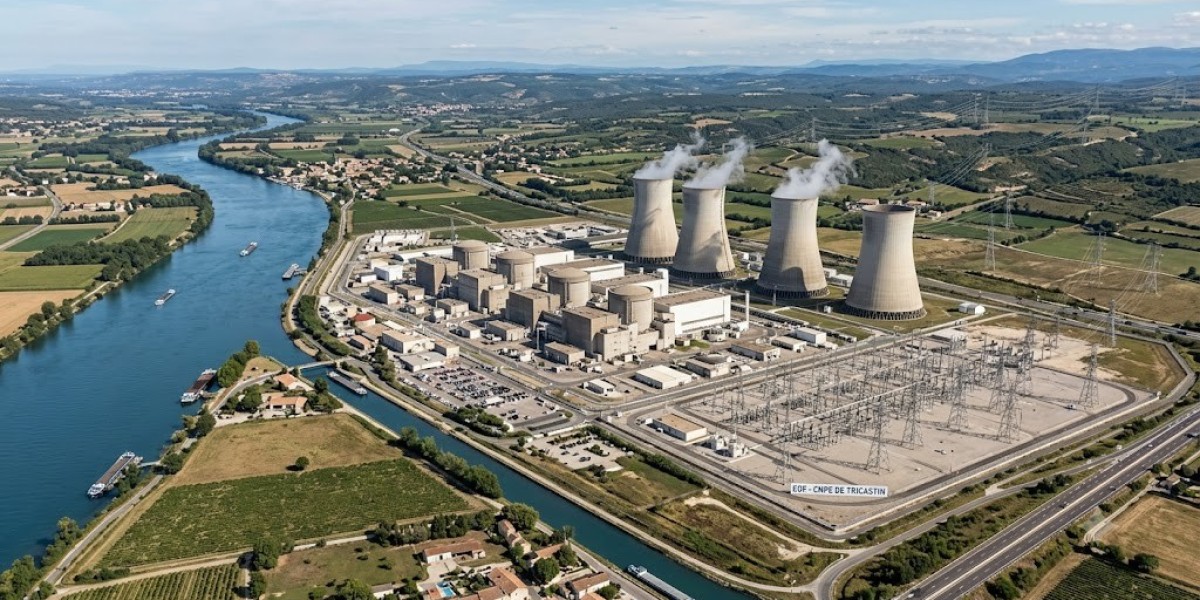

Europe’s energy transition is reshaping the power generation landscape, with nuclear energy emerging as a vital component of a sustainable future. As governments strive to achieve carbon neutrality, nuclear power offers a dependable and low-emission alternative that complements renewable energy sources.
The growing emphasis on energy security has led to renewed interest in nuclear energy. Countries are recognizing the importance of maintaining a stable power supply, especially in the face of geopolitical uncertainties and fluctuating fossil fuel prices. Nuclear power provides a reliable solution that reduces dependence on imported energy.
A closer examination of the Europe Nuclear Power Market Trends reveals a shift toward innovation and modernization. Advanced reactor technologies, including small modular reactors and next-generation designs, are gaining traction. These technologies are expected to improve efficiency, reduce costs, and enhance safety.
Government initiatives are playing a crucial role in driving market growth. Policies aimed at extending the lifespan of existing reactors and facilitating new construction projects are gaining momentum. Financial incentives and regulatory reforms are being introduced to attract investment and accelerate development.
The integration of nuclear power with renewable energy systems is another important trend. As Europe increases its reliance on wind and solar power, nuclear energy provides the stability needed to maintain grid reliability. This complementary relationship is essential for achieving a balanced energy mix.
However, the nuclear sector faces several challenges, including high upfront costs and public perception issues. Addressing these challenges requires transparent communication, strong regulatory frameworks, and continuous technological innovation.
Waste management is a critical aspect of nuclear energy development. Advances in technology are enabling more efficient handling and disposal of nuclear waste, reducing environmental impact and improving safety standards. These developments are essential for ensuring the long-term sustainability of the sector.
Workforce development is also a priority, as the industry requires skilled professionals to manage complex operations. Training programs and partnerships with educational institutions are essential for building a competent workforce.
Looking ahead, Europe’s nuclear power market is set to expand steadily, driven by technological advancements and supportive policies. As the region continues its transition toward a low-carbon future, nuclear energy will play a key role in achieving sustainability and energy security goals.