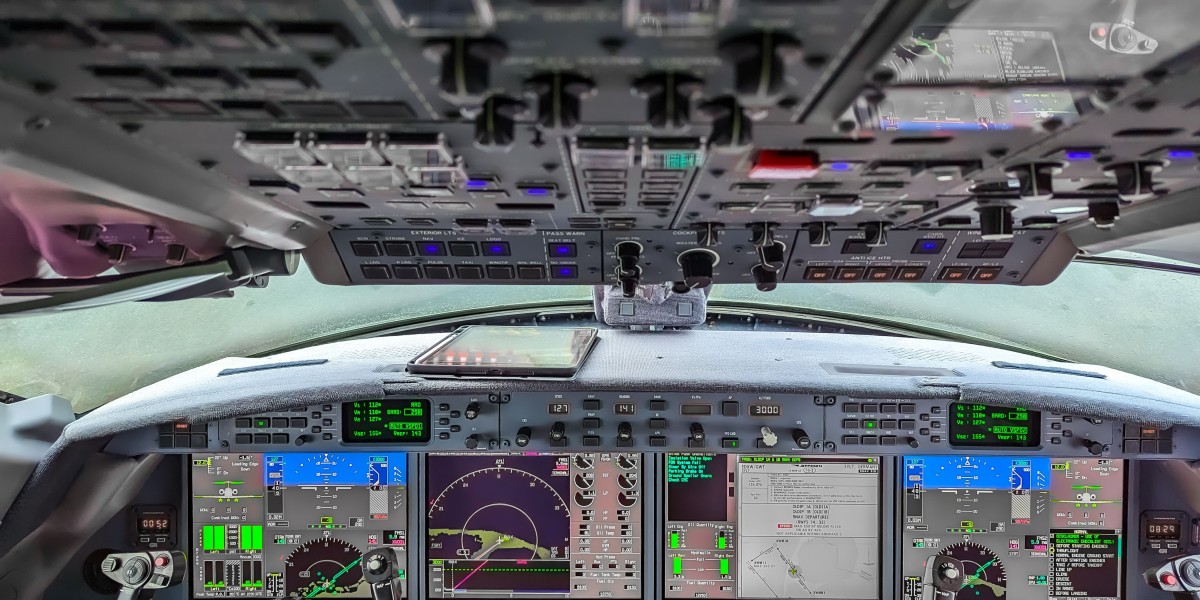

The commercial aviation industry is continuously evolving through technological advancements that improve aircraft operations, flight management, communication, and navigation. Modern aircraft require sophisticated electronic systems to support efficient flight operations and enhance coordination between pilots, aircraft components, and ground-based aviation infrastructure. Next-generation avionics have become an important part of this transformation, helping airlines and aircraft manufacturers embrace more advanced aviation technologies. The Commercial Aircraft NextGen Avionic Market reflects the growing importance of intelligent electronic systems in modern commercial aircraft.
The increasing focus on advanced cockpit technologies, improved flight monitoring, and integrated aircraft electronics is creating opportunities for innovation across the aviation industry. The development of advanced aircraft avionics systems supports the modernization of commercial aviation by bringing communication, navigation, surveillance, and flight management capabilities together through sophisticated electronic platforms. These technologies help improve operational coordination while supporting the industry's transition toward smarter aircraft systems.
One of the important developments in next-generation avionics is the evolution of digital cockpit environments. Traditional cockpit instruments are increasingly being complemented by integrated digital displays that provide pilots with organized and accessible flight information. These systems support better situational awareness by presenting important operational information in a more understandable format. Digital cockpit technologies also help pilots interact with multiple aircraft systems through centralized interfaces.
Flight management systems are another essential component of modern commercial aircraft avionics. These systems assist pilots with flight planning, navigation, route management, and aircraft performance monitoring. As aviation operations become more technologically advanced, integrated flight management capabilities are becoming increasingly important for airlines seeking improved operational coordination.
Communication technology is also playing an important role in the transformation of commercial aircraft. Reliable communication between aircraft and ground-based aviation facilities supports flight coordination, operational monitoring, and information exchange. Modern avionics solutions are designed to support more integrated communication environments, helping airlines manage increasingly complex aviation operations.
Navigation technologies are equally important because commercial aircraft depend on accurate navigation information throughout their journeys. Advanced navigation systems support route planning, aircraft positioning, and coordination with air traffic management infrastructure. Their integration with other avionics technologies contributes to more connected aircraft operations.
Aircraft manufacturers and aviation technology developers are focusing on creating systems that offer improved integration, reliability, and operational flexibility. These developments are encouraging the adoption of advanced electronic architectures that can support different aircraft requirements. Airlines are also paying greater attention to avionics modernization as they seek to maintain technologically updated fleets.
Cybersecurity and system reliability remain important considerations in next-generation avionics development. As aircraft systems become increasingly connected, protecting digital infrastructure and maintaining dependable system performance are essential. Manufacturers must consider software security, hardware compatibility, and long-term maintenance when developing modern avionics platforms.
The Commercial Aircraft NextGen Avionic Market is therefore closely connected with the broader transformation of commercial aviation. Advanced cockpit systems, intelligent navigation, integrated communication, and digital flight management are helping establish a more technologically advanced aviation environment. Continued innovation in these areas will remain important as airlines and manufacturers work toward more connected and efficient aircraft operations.
FAQs
Q1. What are next-generation avionics in commercial aircraft?
Next-generation avionics refer to advanced electronic systems used for aircraft communication, navigation, surveillance, flight management, and cockpit operations.
Q2. Why are advanced avionics important for commercial aviation?
They support improved flight information management, pilot situational awareness, communication, navigation, and aircraft operational coordination.