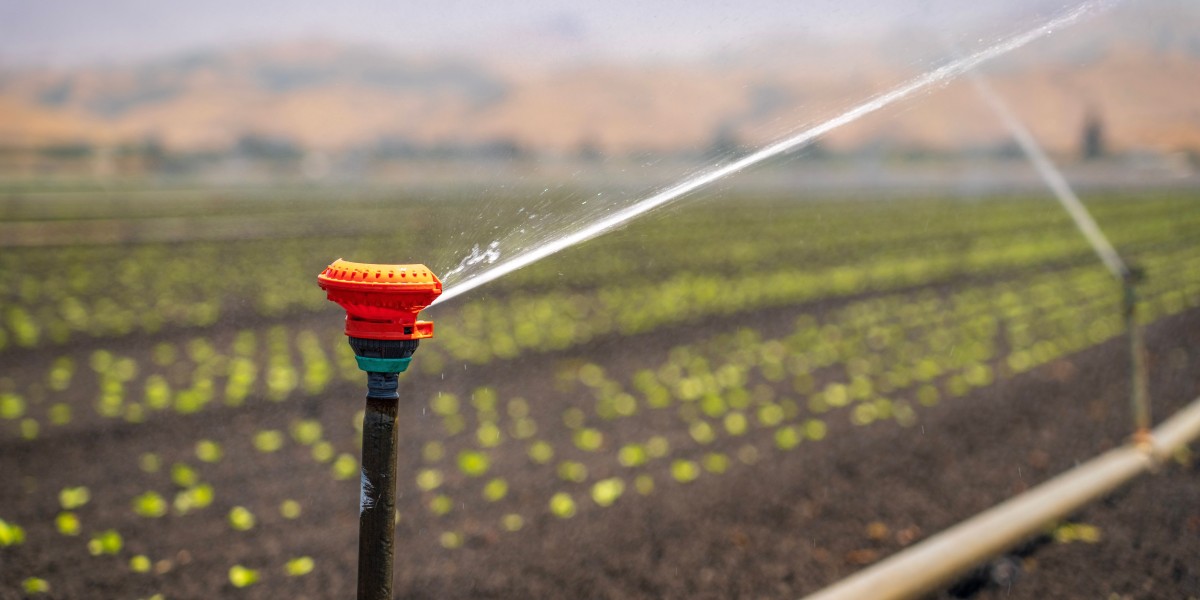

The future of agriculture depends on developing farming practices that support crop nutrition while responding to changing environmental and production requirements. Farmers must manage soil fertility, maintain crop health, and select agricultural inputs that are appropriate for their cultivation systems. Fertilizers remain essential to these activities, but traditional fertilizer technologies also create opportunities for improvement.
One area receiving attention is bio-degradable polymer-coated NPK fertilizer technology. These products combine nitrogen, phosphorus, and potassium with a coating designed to influence the release of nutrients into the soil. The biodegradable nature of the coating adds another dimension to fertilizer innovation by focusing on the environmental behavior of the material surrounding the nutrient granules.
The eco-friendly controlled-release NPK fertilizer solutions are relevant to discussions about future crop farming because they connect agricultural nutrition with material innovation and more considered fertilizer application practices.
Changing Requirements in Modern Crop Farming
Agricultural production involves several challenges that influence fertilizer selection. Soil conditions differ between farming regions, while crop varieties have different nutritional requirements.
Farmers must also consider irrigation practices, seasonal conditions, nutrient availability, and the timing of fertilizer application. These factors influence how efficiently plants can access the nutrients supplied through fertilizers.
Traditional fertilizer application methods may not always match nutrient release with crop requirements. Depending on environmental conditions, nutrients may become available before plants can fully utilize them.
This has encouraged the development of fertilizer technologies that aim to provide more controlled nutrient availability.
Understanding the Technology Behind Coated NPK
Bio-degradable polymer-coated NPK fertilizers are developed by surrounding fertilizer granules with a specially formulated coating.
The underlying fertilizer supplies nitrogen, phosphorus, and potassium. The coating influences how moisture interacts with the fertilizer granule and how nutrients move into the surrounding soil.
The purpose is to create a more gradual nutrient release process rather than allowing the fertilizer to dissolve immediately.
The actual release pattern depends on the polymer composition, coating characteristics, environmental conditions, and fertilizer formulation.
Biodegradable materials add an important feature to this approach. These materials are designed to break down under suitable conditions, making their environmental performance an important part of product development.
Improving the Approach to Soil Nutrition
Soil health is closely connected to crop performance. Fertilizer application should therefore be considered as part of a broader soil management strategy.
Farmers need to understand soil nutrient levels, organic matter, moisture conditions, and the nutritional requirements of cultivated crops. Applying fertilizer according to these factors can help support better nutrient management.
Controlled-release fertilizers may offer additional flexibility because their coating influences nutrient availability over time.
This can be particularly relevant for crops that require continuous nutritional support during different stages of development.
Nevertheless, coated fertilizers should complement rather than replace soil testing, crop monitoring, and appropriate fertilizer planning.
Environmental Advantages of Biodegradable Coatings
The materials used in agricultural products are receiving increasing attention. Conventional polymer coatings can create concerns regarding their persistence after fertilizer application.
Biodegradable polymer coatings are being explored as alternatives because they are designed to undergo degradation under appropriate environmental conditions.
However, biodegradability depends on the chemical structure of the material and the conditions in which degradation occurs. Soil moisture, temperature, microbial activity, and other environmental factors can influence this process.
Manufacturers must therefore evaluate the environmental behavior of coating materials carefully.
A biodegradable coating should also provide the functional performance required for fertilizer storage, handling, transportation, and application. Developing a material that satisfies both performance and environmental requirements is an important part of agricultural innovation.
Opportunities for Different Agricultural Sectors
The technology may have applications across various agricultural sectors.
Field crop cultivation requires suitable nutrient management to support crop establishment and development. Horticultural production requires attention to nutritional requirements that can change throughout plant growth.
Commercial farming operations may also be interested in fertilizer technologies that support structured application practices.
For agricultural businesses, coated NPK products can represent an opportunity to develop specialized fertilizer formulations for particular crops and growing conditions.
The selection of these products should consider nutrient requirements, soil characteristics, irrigation systems, and manufacturer recommendations.
The Role of Research and Development
Research and development are important for improving the performance of bio-degradable polymer-coated fertilizers.
Scientists and manufacturers need to evaluate different biodegradable materials and understand how they influence nutrient release. Coating consistency is another important consideration because uneven coatings can create differences in fertilizer performance.
Product testing should examine nutrient release under different environmental conditions. It should also evaluate coating degradation and the compatibility of materials with fertilizer ingredients.
Field testing can provide useful information about how products perform under practical agricultural conditions.
Continued innovation may also focus on developing coatings that are easier to manufacture, handle, and apply through existing agricultural systems.
Future Outlook for Agricultural Fertilizer Innovation
Agricultural input development is increasingly connected to sustainability, resource management, and technological improvement.
Bio-degradable polymer-coated NPK fertilizers offer an opportunity to address multiple considerations within a single fertilizer design. They combine essential plant nutrition with controlled-release functionality and materials intended to break down under suitable conditions.
Their future relevance will depend on manufacturing quality, environmental performance, affordability, and practical benefits for farmers.
Conclusion
Bio-degradable polymer-coated NPK fertilizers represent a developing area of agricultural innovation. By combining essential nutrients with controlled-release coating technology, they offer an alternative approach to conventional fertilizer design.
Their focus on biodegradable materials also reflects the importance of considering environmental characteristics alongside agricultural performance. With continued research, testing, and product development, this technology may become an important part of future crop nutrition strategies.
Frequently Asked Questions
Q1. Why is controlled nutrient release important for future crop farming?
Controlled nutrient release aims to make nutrients available more gradually, potentially supporting crop nutrition across different growth stages and improving fertilizer application planning.
Q2. What makes biodegradable polymer coatings different from conventional coatings?
Biodegradable coatings are designed to break down under suitable environmental conditions, whereas conventional polymer coatings may have different degradation characteristics and environmental persistence.