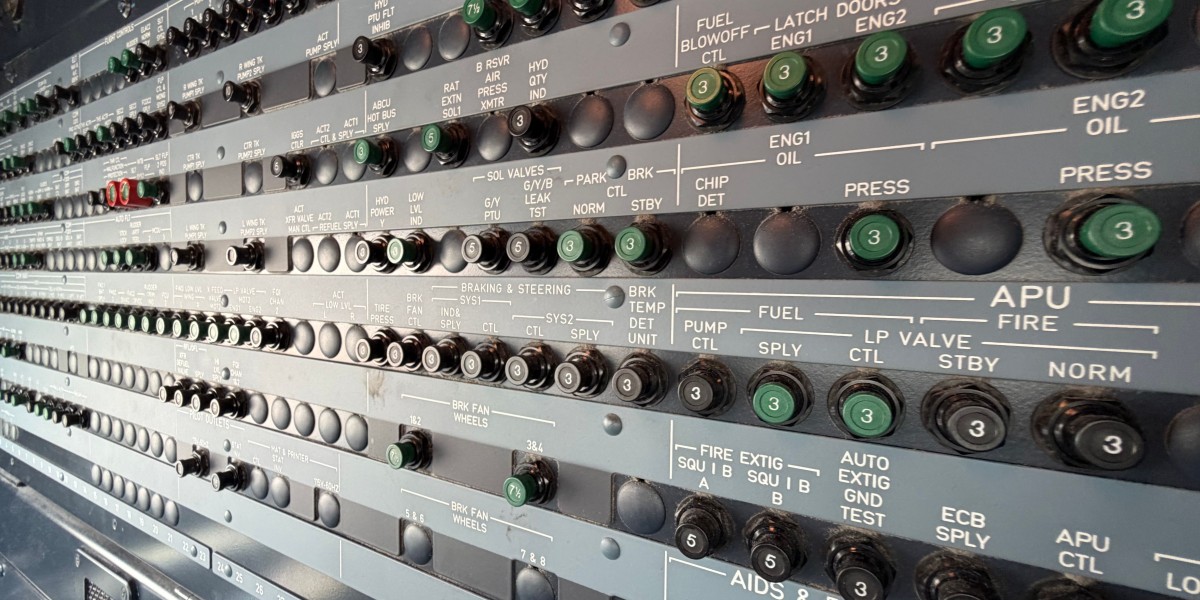

The aerospace fire protection system control and integration market plays an important role in strengthening aircraft safety and improving operational reliability across the aviation industry. Fire protection systems are essential components of modern aircraft because they help identify potential fire hazards, control emergency situations, and protect critical aircraft systems. As aircraft designs become increasingly sophisticated, the need for reliable fire detection, monitoring, suppression, and control technologies continues to attract attention. These systems are designed to support safe aircraft operations by combining different protection mechanisms into an integrated safety framework.
An important aspect of this industry is the development of advanced aircraft fire detection and suppression systems, which help identify fire-related risks and support timely responses during critical situations. These solutions combine detection sensors, warning mechanisms, control units, and suppression technologies to improve overall protection. Integration allows different safety components to communicate effectively, helping aircraft operators and maintenance teams manage potential hazards more efficiently.
Aircraft fire protection systems are designed to operate in challenging aviation environments. Aircraft contain several areas where fire protection is essential, including engines, cargo compartments, auxiliary power units, and other important equipment sections. Each area requires suitable monitoring and protection mechanisms based on its operating conditions and potential risks. Manufacturers focus on developing integrated solutions that can support dependable performance while maintaining compatibility with modern aircraft architectures.
System integration is another important factor influencing the development of this market. Modern aircraft rely on interconnected electronic systems that support navigation, communication, monitoring, and operational control. Fire protection technologies must work effectively alongside these systems without affecting their performance. Integrated control platforms help coordinate detection signals, warning functions, and suppression responses, creating a more organized approach to aircraft safety management.
Technological development is also encouraging improvements in fire detection capabilities. Advanced sensors and electronic monitoring technologies can help identify unusual conditions and provide relevant information to aircraft safety systems. Improved control interfaces support better monitoring and help reduce delays in recognizing potential fire-related problems. Manufacturers are also focusing on system reliability, compact designs, and simplified integration processes to address the changing requirements of the aerospace industry.
Maintenance and inspection remain important considerations in this market. Aircraft fire protection systems require regular evaluation to ensure that their components remain functional and properly connected. Maintenance teams examine sensors, wiring, control units, warning devices, and suppression equipment to identify potential issues. Reliable system integration can also make maintenance activities more organized by supporting easier monitoring and troubleshooting.
Aircraft manufacturers, aerospace equipment suppliers, and fire protection technology developers contribute to the industry's development. Their efforts focus on creating solutions that meet aviation safety requirements while supporting different aircraft configurations. The growing emphasis on aircraft reliability and passenger protection continues to encourage improvements in fire protection technologies.
Furthermore, the aerospace industry requires safety solutions that can accommodate changing aircraft designs and operational environments. Fire protection systems must remain adaptable while delivering consistent performance. Integration capabilities, equipment compatibility, efficient monitoring, and dependable control functions are therefore important considerations for manufacturers and aviation stakeholders.
Overall, the aerospace fire protection system control and integration market represents an important part of the aviation safety ecosystem. Continuous improvements in detection technologies, suppression mechanisms, monitoring capabilities, and integrated control solutions are helping strengthen aircraft protection. As aerospace technology continues to evolve, reliable fire protection systems will remain essential for supporting safer and more efficient aviation operations.
Frequently Asked Questions (FAQs)
Q1. What is the aerospace fire protection system control and integration market?
The market focuses on technologies and solutions used to detect, monitor, control, and suppress fire hazards in aircraft through integrated protection systems.
Q2. Why is system integration important in aerospace fire protection?
System integration helps different fire detection, warning, monitoring, and suppression components work together, supporting effective aircraft safety management.