
Land conservation has become an important consideration in modern infrastructure development and environmental planning. Construction activities, agricultural operations, and urban expansion frequently disturb natural ground surfaces, increasing the possibility of soil erosion. When exposed soil is affected by rainfall or surface runoff, valuable topsoil can be displaced, potentially creating drainage problems and environmental damage. Erosion control blankets offer an effective surface protection approach that helps reduce these challenges while supporting vegetation growth and land rehabilitation.
The increasing focus on land conservation and erosion management technologies highlights the importance of protective materials in sustainable development. Erosion control blankets are designed to cover vulnerable soil surfaces and provide protection during periods when vegetation is developing. Their flexibility allows them to be considered for various applications, including construction projects, transportation infrastructure, landscaping, and environmental restoration.
Understanding Modern Erosion Control Solutions
Erosion control blankets are manufactured in different configurations to address specific site requirements. Their design generally focuses on providing surface coverage, supporting soil retention, and creating an environment suitable for vegetation establishment.
Some products use natural fibers that gradually break down under environmental conditions. Others incorporate synthetic materials designed to maintain their physical structure for longer periods. There are also combinations that bring together different material characteristics.
Selecting an appropriate blanket requires consideration of several factors, including slope conditions, soil composition, rainfall exposure, vegetation requirements, and project duration.
For example, a landscaping project may require temporary protection while grass develops. In contrast, a steep embankment may need a product designed to provide more sustained surface support.
Innovation in Manufacturing Materials
Material innovation is an important area of development for erosion control blanket manufacturers. Traditional products have frequently incorporated natural fibers because of their suitability for temporary soil protection applications.
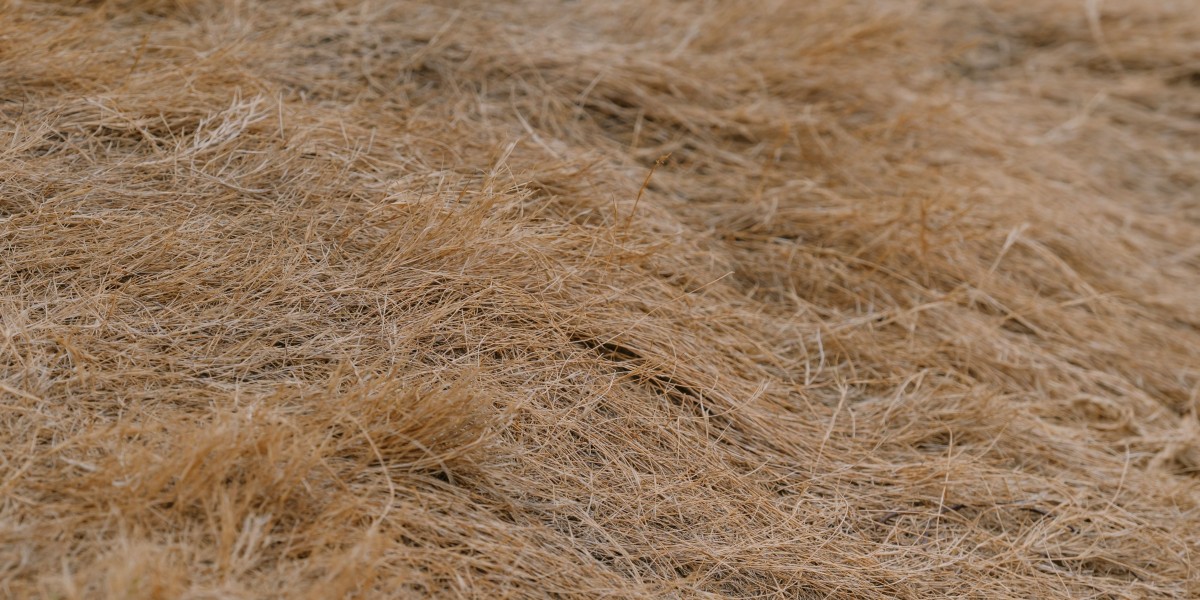
Coconut fiber, straw, and other plant-based materials can be used in erosion control products. These materials are relevant for projects where biodegradable solutions are preferred.
Synthetic materials also contribute to product development. Their physical characteristics can make them suitable for applications requiring greater resistance to environmental exposure.
Manufacturers may explore improved weaving methods, fiber arrangements, and blanket structures to enhance product consistency. These developments can help improve handling, installation, and suitability for different ground conditions.
Another important consideration is the balance between material durability and environmental compatibility. Products need to provide protection for the required period without creating unnecessary difficulties during site restoration.
Applications in Infrastructure Development
Transportation infrastructure is an important application area for erosion control blankets. Road construction frequently involves cutting slopes, creating embankments, and modifying existing landscapes.
These disturbed surfaces can become vulnerable to erosion, particularly before vegetation has been established. Installing erosion control blankets can help protect the soil and support landscaping activities.
Railway infrastructure, drainage projects, and commercial construction developments can also require erosion prevention measures.
In residential construction, land grading and landscaping may expose large areas of soil. Protective blankets can assist in maintaining surface stability while grass and other vegetation develop.
Environmental Benefits and Land Restoration
Land restoration requires suitable methods for protecting disturbed surfaces and encouraging natural vegetation. Erosion control blankets can contribute to these objectives by creating a protective layer over exposed soil.
Vegetation establishment is important because plant roots help support soil structure. Blankets can provide an additional protective measure during the early stages of plant growth.
They can also help reduce the movement of loose soil into nearby water channels when appropriately selected and installed as part of a broader erosion management plan.
However, their effectiveness depends on installation quality, site preparation, and compatibility with environmental conditions.
Opportunities for Future Innovation
The development of erosion control blankets is closely connected to changing environmental priorities and construction requirements. Manufacturers may continue exploring alternative fibers, improved manufacturing techniques, and application-specific designs.
Greater awareness of sustainable construction practices may also encourage wider consideration of erosion prevention during project planning.
As infrastructure and restoration activities continue to require effective soil protection, erosion control blankets can remain a useful component of modern land conservation strategies.
FAQs
Q1. What materials are used to manufacture erosion control blankets?
Common materials include straw, coconut fiber, other natural fibers, and synthetic components. Material selection depends on the application and required durability.
Q2. How do erosion control blankets contribute to land conservation?
They cover exposed soil, reduce the impact of rainfall and surface runoff, and support vegetation establishment during land restoration.