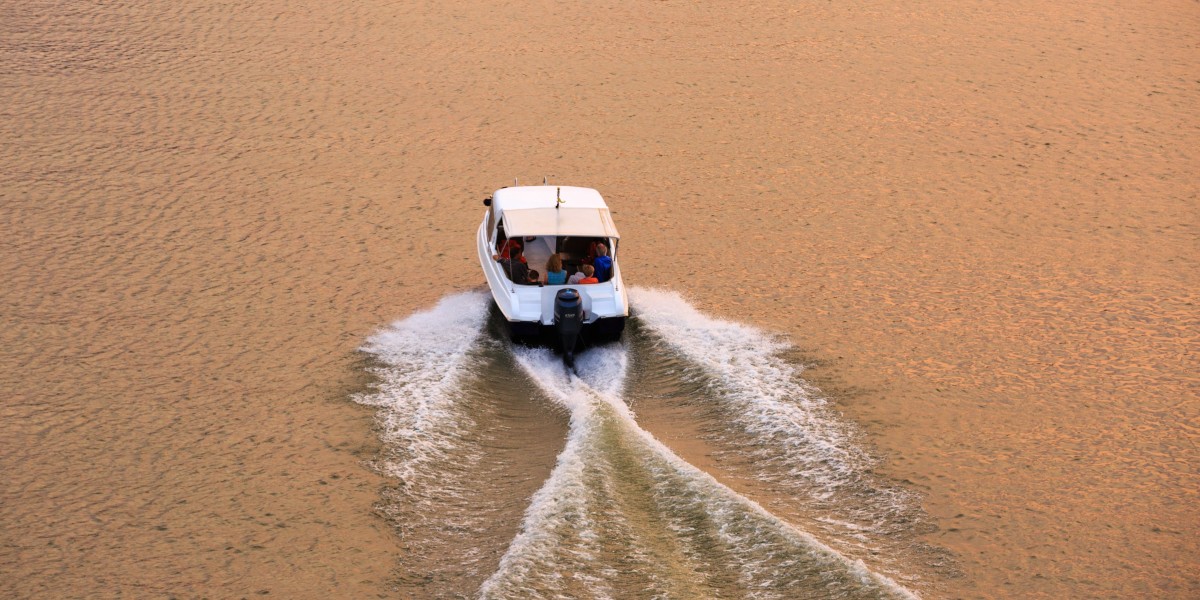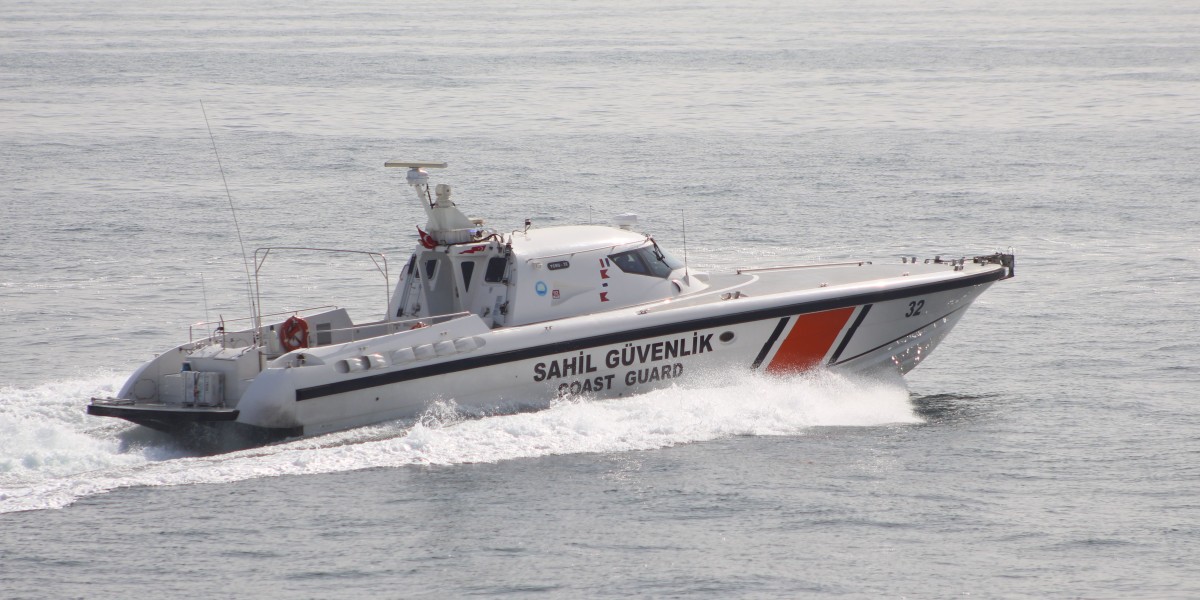

Coastal defense is an important responsibility for countries with extensive shorelines, commercial ports, and strategically important waterways. Maritime authorities must maintain awareness of activities across these regions while ensuring that security operations can respond to changing situations. Interceptor boats and patrol craft provide important capabilities for supporting these responsibilities. Their operational flexibility, maneuverability, and specialized designs make them suitable for different coastal defense applications.
The growing importance of coastal defense patrol vessels reflects the need for reliable marine platforms that can support surveillance, maritime law enforcement, and rapid-response operations. These vessels help security organizations monitor sensitive waterways, protect maritime infrastructure, and coordinate activities with other defense and enforcement units. Their capabilities make them valuable components of modern coastal protection strategies.
Importance of Patrol Craft in Coastal Defense
Patrol craft are designed to support maritime security organizations through monitoring, surveillance, and operational response activities. Their configurations can vary depending on the responsibilities they are expected to perform.
Some vessels are primarily developed for routine coastal patrols, while others are designed for specialized interception and enforcement assignments. This flexibility allows organizations to select platforms that match their operational requirements.
Coastal defense involves protecting territorial waters, monitoring important maritime locations, and maintaining security around ports and offshore infrastructure. Patrol craft can support these activities by providing mobile platforms for trained personnel.
Their presence also contributes to maritime awareness by allowing authorities to observe activities across different coastal locations.
Protecting Important Maritime Infrastructure
Maritime infrastructure plays an important role in transportation, trade, energy operations, and industrial development. Ports, shipping facilities, offshore installations, and coastal terminals require appropriate security arrangements.
Interceptor boats and patrol craft can assist authorities responsible for protecting these facilities. They can monitor surrounding waterways, support inspections, and help respond to unusual maritime activities.
Their maneuverability makes them particularly useful around locations where larger vessels may have limited access. They can also work alongside shore-based monitoring facilities and other maritime platforms.
Effective infrastructure protection requires coordination between different organizations. Patrol vessels contribute to this process by providing a mobile operational presence.
Role in Maritime Border Security
Maritime border protection requires the ability to monitor vessel movements and identify activities that may violate established regulations.
Interceptor boats can support border security personnel by providing rapid-response capabilities. Their speed and maneuverability help crews reach locations that require investigation.
Patrol craft also support regular monitoring assignments and maritime enforcement activities. They can assist with vessel inspections, restricted-area monitoring, and coordinated security operations.
Reliable communication is essential during these assignments. Crews must be able to exchange information with command centers and other operational units.
Modern communication and navigation equipment can improve coordination and support more effective maritime security planning.
Advanced Technologies in Coastal Defense Vessels
Technology is an important consideration in the development of modern coastal defense vessels. Navigation systems, radar equipment, communication facilities, and surveillance technologies help crews understand their surroundings.
These systems can support vessel tracking, operational coordination, and maritime observation. Their integration allows patrol vessels to operate as part of a broader maritime security network.
Propulsion systems are equally important because they influence maneuverability, reliability, and operational efficiency. Manufacturers continue to focus on developing suitable propulsion arrangements for different marine applications.
Hull engineering also influences vessel performance. Designers must consider stability, handling, durability, and the environmental conditions in which the vessels will operate.
Crew safety and practical onboard arrangements remain important throughout the development process.
Importance of Customization and Vessel Selection
Different maritime organizations have different operational requirements. A vessel designed for harbor security may not have the same configuration as one intended for offshore patrol or specialized interception activities.
Organizations therefore consider several factors when selecting patrol vessels. These include intended operating environments, vessel size, propulsion requirements, crew arrangements, navigation equipment, and maintenance considerations.
Customization can help manufacturers develop vessels that meet specific operational expectations. Specialized equipment and adaptable layouts can also improve the suitability of vessels for particular assignments.
A suitable vessel configuration helps organizations use their resources effectively while maintaining operational reliability.
Future Direction of Coastal Defense Vessel Development
The future of interceptor boats and patrol craft will be influenced by technological innovation, evolving maritime security requirements, and environmental considerations.
Manufacturers may increasingly focus on fuel-efficient propulsion, improved hull materials, integrated navigation technologies, and advanced communication systems.
Digital monitoring and information-sharing capabilities may also become more important for organizations responsible for coastal protection. Better integration between patrol vessels and shore-based monitoring facilities can support coordinated operations.
Additionally, growing attention toward marine sustainability may encourage the development of alternative propulsion technologies and more environmentally responsible vessel designs.
These developments could influence how maritime organizations plan their future vessel requirements.
Conclusion
Interceptor boats and patrol craft play an important role in strengthening coastal defense and maritime security. Their operational flexibility supports border protection, infrastructure monitoring, maritime enforcement, and rapid-response activities. Continued improvements in marine engineering, propulsion, and surveillance technologies may further strengthen their position in modern coastal security operations.
Frequently Asked Questions
Q1. How do interceptor boats contribute to coastal defense?
Interceptor boats support coastal defense through rapid maritime response, surveillance, vessel inspections, border monitoring, and assistance during specialized security operations.
Q2. What factors are important when selecting coastal patrol vessels?
Important considerations include vessel design, maneuverability, propulsion systems, onboard equipment, crew safety, operating conditions, and the intended maritime application.