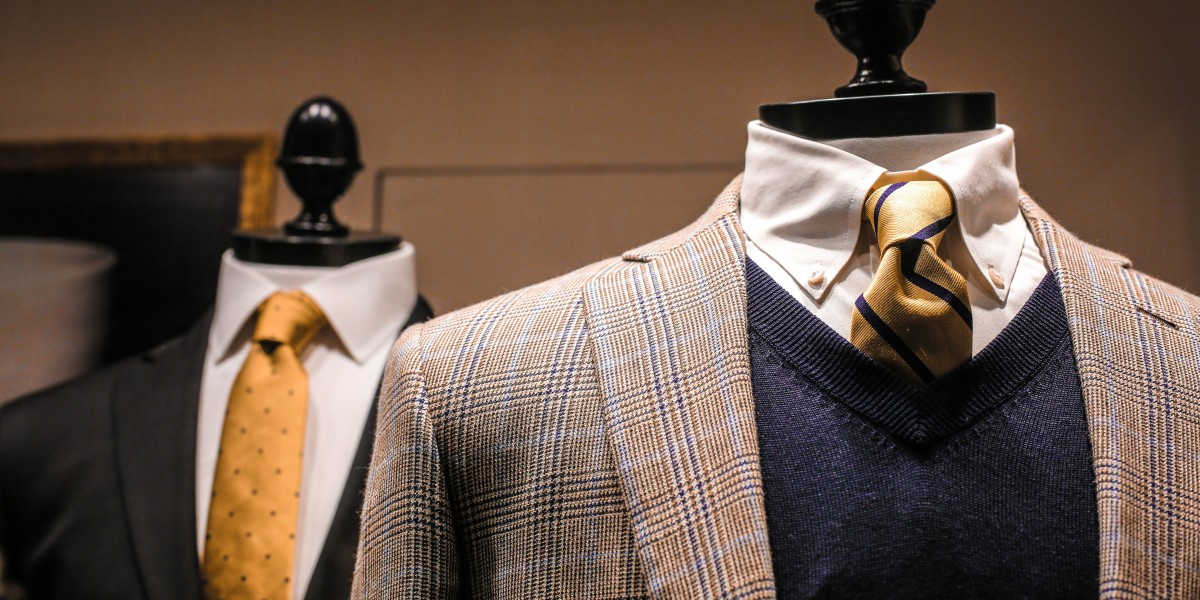

The luxury apparel market continues to represent an important part of the fashion industry, where creativity, exclusivity, and premium product experiences play an essential role. Luxury clothing brands are recognized for their distinctive designs, attention to detail, quality materials, and established fashion identities. As consumer lifestyles and preferences continue to change, the industry is experiencing new developments in product innovation, retail experiences, and brand communication. Companies are increasingly focusing on understanding customer expectations and creating collections that reflect both traditional fashion values and contemporary trends.
The expansion of interest in designer clothing and luxury fashion highlights the importance of premium apparel in modern consumer lifestyles. Customers are increasingly exploring clothing that offers a combination of sophisticated appearance, comfort, quality, and distinctive styling. Luxury fashion brands are responding by developing collections that appeal to different occasions, personal preferences, and fashion requirements. This approach allows companies to maintain their exclusive positioning while reaching consumers with diverse fashion interests.
Brand identity remains one of the most important elements of the luxury apparel industry. Established fashion houses often build their reputations through recognizable designs, signature styles, craftsmanship, and consistent creative direction. Consumers may select luxury clothing not only because of its appearance but also because of the identity and experience associated with a particular brand. Companies therefore invest considerable attention in maintaining their visual identity, presenting their collections, and communicating the values behind their products.
The development of contemporary fashion collections is another important aspect of the market. Designers are increasingly combining classic fashion influences with modern styling concepts. Traditional tailoring, refined silhouettes, creative detailing, and innovative fabric combinations are helping brands introduce collections that appeal to changing consumer expectations. Luxury apparel companies are also exploring versatile clothing designs that can transition between formal occasions, professional environments, and everyday lifestyles.
Retail transformation is creating additional opportunities for luxury fashion companies. Traditional boutiques continue to provide an important environment for presenting exclusive collections and offering personalized customer services. At the same time, online shopping platforms are allowing brands to connect with consumers beyond their physical retail locations. Digital storefronts, virtual product presentations, and online customer support are becoming important parts of the shopping experience. These developments help brands provide convenient access while preserving their distinctive positioning.
Social media has also become an influential communication channel for luxury apparel companies. Fashion campaigns, designer interviews, collection previews, and influencer collaborations allow brands to introduce their products to broader audiences. Consumers can discover new fashion ideas and explore different styling approaches through digital communities. This creates opportunities for companies to build awareness, encourage engagement, and strengthen customer relationships.
Another developing area is the focus on responsible fashion practices. Consumers are increasingly interested in understanding how clothing is designed, manufactured, and maintained. Luxury apparel companies are exploring more responsible material sourcing, improved production methods, and durable product designs. These approaches support the idea that luxury clothing should offer lasting quality rather than simply following short-term fashion trends.
Personalization is also influencing the competitive environment. Exclusive services, customized designs, private shopping experiences, and limited collections help brands create stronger connections with customers. Such experiences can distinguish luxury companies from broader apparel retailers and reinforce their premium brand positioning.
The future development of the luxury apparel market will depend on how effectively companies respond to changing consumer expectations. Fashion creativity, product quality, digital engagement, and customer-focused services will remain important areas of attention. Brands that successfully combine their traditional identities with modern fashion innovation can maintain relevance in an increasingly competitive industry.
FAQs
Q1. Why is brand identity important in the luxury apparel market?
Brand identity communicates a company's heritage, design philosophy, craftsmanship, and exclusivity. It helps customers recognize and distinguish luxury fashion brands.
Q2. How are digital platforms influencing luxury apparel?
Digital platforms help brands showcase collections, communicate with consumers, introduce fashion trends, and provide convenient online shopping experiences.