
The denim market continues to develop as consumers explore new fashion preferences and clothing brands seek ways to differentiate their collections. Denim has established a lasting presence in the fashion industry through jeans, jackets, shirts, skirts, dresses, and other apparel. Its distinctive texture, adaptability, and practical qualities make it suitable for a wide variety of clothing styles. From traditional everyday garments to contemporary designer collections, denim provides a flexible foundation for creativity. As personal style evolves, manufacturers are exploring new silhouettes, fabric treatments, and design concepts to keep their products relevant.
The growing demand for innovative denim designs illustrates how changing consumer tastes can influence clothing development. Shoppers may seek comfortable everyday garments, distinctive fashion pieces, or versatile clothing that works across different occasions. These expectations encourage brands to experiment with fabric construction, color, garment proportions, and finishing techniques. By understanding what consumers value, denim manufacturers can create products that combine familiar characteristics with contemporary design ideas.
The Influence of Changing Fashion Preferences
Fashion preferences continually change as consumers discover new styles, revisit earlier trends, and adapt clothing to their lifestyles. Denim provides considerable flexibility because its appearance can be transformed through differences in fit, color, texture, and construction.
Straight-leg and slim-fit jeans remain recognizable options, while wide-leg, relaxed, flared, and oversized designs provide alternative silhouettes. Some consumers prefer understated garments that can be worn repeatedly, whereas others gravitate toward distressed finishes, embroidery, patchwork, and unusual washes.
These differences encourage manufacturers to develop collections with distinct identities. Brands can maintain classic products for shoppers who value familiar designs while introducing experimental pieces for consumers interested in contemporary fashion.
Fabric Innovation and Improved Comfort
Fabric development plays an important role in modern denim design. Traditional denim is often associated with structured cotton fabric, but contemporary products can incorporate different fiber blends and construction techniques to achieve particular characteristics.
Stretch denim offers flexibility for consumers who prefer garments that move comfortably throughout the day. Softer fabric treatments can provide a different wearing experience, while lightweight denim may be suitable for shirts, dresses, and clothing intended for warmer conditions.
Fabric weight and weave construction influence how a garment hangs and retains its shape. These characteristics are especially important when developing wide-leg jeans, fitted jackets, and structured outerwear.
Manufacturers must balance comfort with durability. A garment should provide the intended fit and appearance while maintaining its construction through regular use. Careful testing and quality control can help brands deliver consistent products.
The Role of Personalization
Consumers increasingly have opportunities to express their identities through clothing choices. Denim can support personal expression because it accommodates a broad range of finishes, colors, and decorative details.
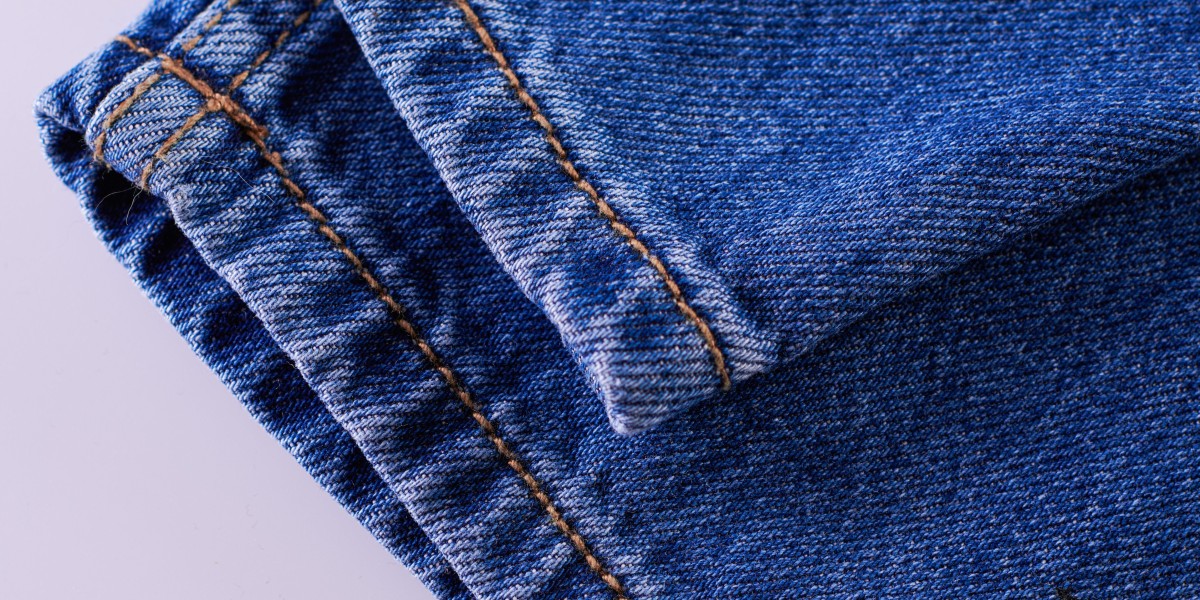
Embroidered designs, customized patches, contrasting stitching, and personalized embellishments can make individual garments distinctive. Some brands also offer customization options that allow customers to select particular finishes or design features.
Personalization creates opportunities for businesses to develop closer relationships with their customers. However, customized products require careful planning because additional design choices can complicate production, inventory management, and delivery.
Brands must therefore consider which customization options provide meaningful value while remaining practical to manufacture.
Digital Platforms and Fashion Discovery
Digital platforms have become important spaces for discovering denim styles. Fashion creators, social media communities, and online retailers introduce consumers to different ways of wearing familiar garments. A single pair of jeans can be styled with casual footwear, formal-inspired jackets, knitwear, or seasonal accessories.
Online shopping also enables consumers to explore a wider selection of denim products. Product descriptions, photographs, measurements, and customer feedback can help shoppers compare available options.
At the same time, retailers face challenges related to sizing consistency and product presentation. Detailed fit information and accurate product images can improve shopping confidence. Virtual styling tools and other digital features may also help shoppers understand how garments could fit into their wardrobes.
Balancing Fashion with Practical Value
While design innovation attracts attention, practical value remains important to consumers. Clothing must meet expectations concerning comfort, durability, ease of care, and suitability for everyday activities.
Denim brands can strengthen their collections by combining appealing designs with reliable construction. Garments that coordinate with existing clothing may offer greater versatility, while durable fabrics can help consumers retain their favorite pieces for longer.
Environmental considerations can also influence product development. Manufacturers may investigate recycled materials, efficient finishing techniques, and approaches that support garment longevity. The suitability of these choices depends on product requirements and the effectiveness of the production methods used.
Future Opportunities for Denim Innovation
The future of the denim market will be shaped by the relationship between design creativity, consumer expectations, manufacturing capabilities, and responsible production. Brands that understand their audiences can create collections that balance timeless appeal with fresh interpretations.
Innovation does not necessarily require abandoning traditional denim styles. Improvements in comfort, construction, finishing, and retail experiences can make familiar garments more relevant to contemporary consumers.
By combining customer-focused design, fabric development, personalization, and thoughtful manufacturing, the denim industry can continue to evolve. Its enduring strength lies in its ability to offer both recognizable wardrobe essentials and opportunities for individual expression.
FAQs
Q1. How do changing consumer preferences influence denim design?
Changing preferences encourage brands to introduce new fits, colors, fabric blends, decorative details, and customization options that appeal to different lifestyles.
Q2. What role does technology play in denim fashion?
Technology supports fabric development, specialized finishing, digital shopping, product presentation, and more efficient manufacturing processes.