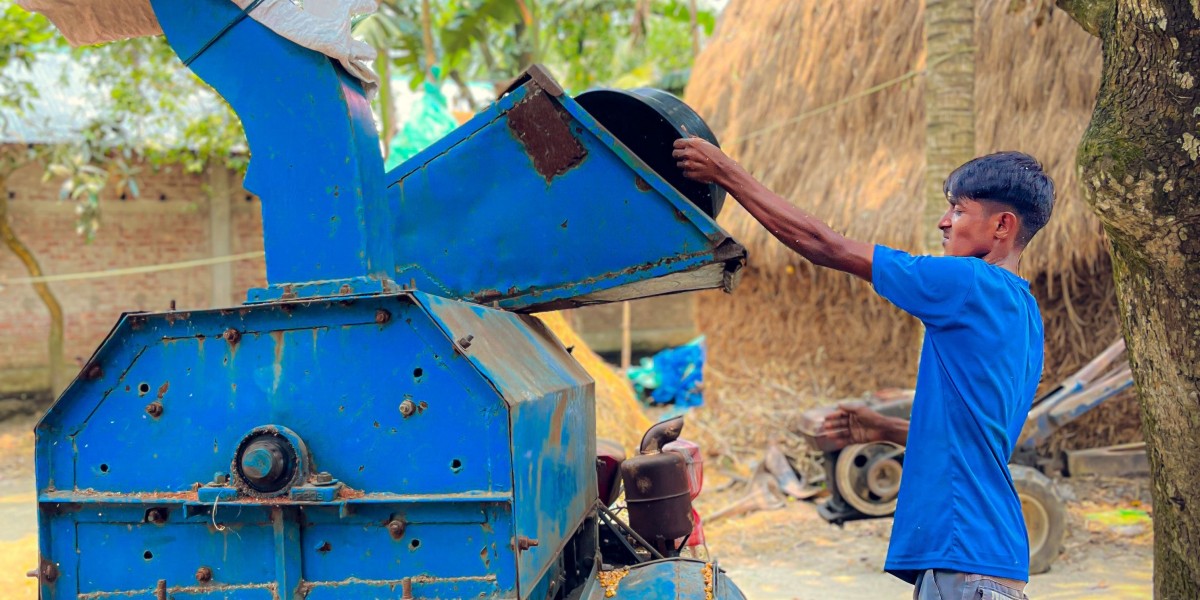

Grain processing equipment has become an important part of the food manufacturing industry, connecting agricultural production with the preparation of ingredients used in everyday food products. Grains serve as essential raw materials for flour, breakfast cereals, bakery ingredients, animal feed, and various processed foods. Before these materials can be used, they often require cleaning, separation, size reduction, and other processing operations. Equipment designed for these tasks helps manufacturers organize their production activities, manage raw materials, and prepare grains according to the requirements of their intended applications. As food production methods continue to develop, machinery selection remains an important consideration for businesses seeking reliable and adaptable processing systems.
The growing focus on production quality has increased interest in industrial grain cleaning and milling systems that support the preparation of grain-based ingredients. These systems combine equipment for removing impurities, moving materials, separating grain particles, and producing the required texture. Manufacturers may choose different machinery configurations depending on the characteristics of the grain, the processing method, and the type of product they intend to manufacture. An effective equipment arrangement can help establish a coordinated workflow while making it easier to monitor raw materials as they move through the facility.
Changing Requirements in Food Manufacturing
Food manufacturers operate in an environment where product consistency, cleanliness, and production flexibility are important. Grain processing equipment helps address these requirements by supporting controlled preparation before raw materials enter later manufacturing stages. Cleaning machinery can remove unwanted substances, while grading systems help separate grains according to their physical characteristics.
These processes are particularly important when raw materials come from different agricultural sources. Grain quality can vary according to cultivation conditions, harvesting practices, transportation, and storage. Suitable processing equipment helps manufacturers manage these differences and prepare materials for their intended uses.
Processing facilities also need to consider how machinery fits into the wider production environment. Equipment that integrates with existing conveyors, storage systems, and milling operations can simplify material movement and reduce unnecessary handling. Careful planning helps businesses avoid bottlenecks and maintain a more organized production process.
Milling Technology and Ingredient Development
Milling technology is central to the production of grain-based ingredients. Different milling approaches can produce flour, coarse meal, and other materials with distinct physical characteristics. The appropriate method depends on the grain variety and the intended application.
For example, flour production requires attention to particle size, texture, and the characteristics of the finished ingredient. Equipment settings and machine condition can influence these characteristics. Processors therefore need to select machinery that matches their production requirements and allows operators to maintain appropriate control over the milling process.
Modern milling systems may also incorporate monitoring and adjustment features. These capabilities can help operators respond to changes in raw materials and maintain a more consistent processing environment. Routine equipment inspections remain important because worn components and incorrect settings can affect product quality.
Automation and Connected Operations
Automation is changing how food processing facilities coordinate their equipment. Control systems can help operators monitor machinery, adjust operating conditions, and observe the movement of grain through different stages. This can improve visibility across the production process and make routine operations easier to manage.
Integrated equipment can also support communication between different processing stages. For instance, cleaning systems, conveyors, and milling machines can be coordinated to reduce interruptions caused by inconsistent material movement. However, automation must be matched to the facility's requirements, and employees need appropriate training to operate and maintain the systems effectively.
Digital monitoring can support maintenance planning by helping teams identify unusual operating conditions. Instead of relying exclusively on manual observation, operators may use equipment indicators to recognize issues that require attention. This approach can help facilities plan maintenance more effectively.
Hygiene and Quality Management
Clean processing conditions are important wherever grain ingredients are intended for human consumption. Equipment design should support accessible cleaning points and practical maintenance procedures. Dust management is also relevant because grain handling and milling can generate airborne particles that affect workplace conditions.
A structured cleaning schedule, appropriate operating procedures, and regular inspections help facilities maintain a suitable processing environment. Equipment operators should understand how to identify residues, blockages, and signs of wear that could affect performance.
Quality management extends beyond machinery alone. Incoming grain inspection, appropriate storage, process monitoring, and finished-product checks all contribute to reliable manufacturing. Processing equipment works best when supported by an organized quality management system.
What Lies Ahead for Grain Processing Equipment?
The future of grain processing equipment will be influenced by the needs of food manufacturers, agricultural businesses, and ingredient suppliers. Flexible machinery, easier maintenance, effective material handling, and improved process monitoring are important considerations when evaluating new systems.
Manufacturers may also prioritize equipment that can accommodate different grains and product specifications without requiring major changes to the overall facility. The ability to adapt to changing production requirements can be valuable for businesses serving different customer segments.
Ultimately, grain processing equipment supports the transition from harvested agricultural materials to usable food ingredients. Businesses that invest in suitable machinery, operator training, and consistent maintenance practices can build more dependable processing operations while responding to evolving food manufacturing requirements.
FAQs
Q1. Why is grain processing equipment important in food production?
It prepares grains by removing impurities, separating materials, and transforming raw grains into flour, meal, and other ingredients used in food manufacturing.
Q2. What should manufacturers consider when selecting grain processing machinery?
Manufacturers should consider grain type, desired product quality, processing capacity requirements, equipment compatibility, hygiene, maintenance needs, and available facility space.