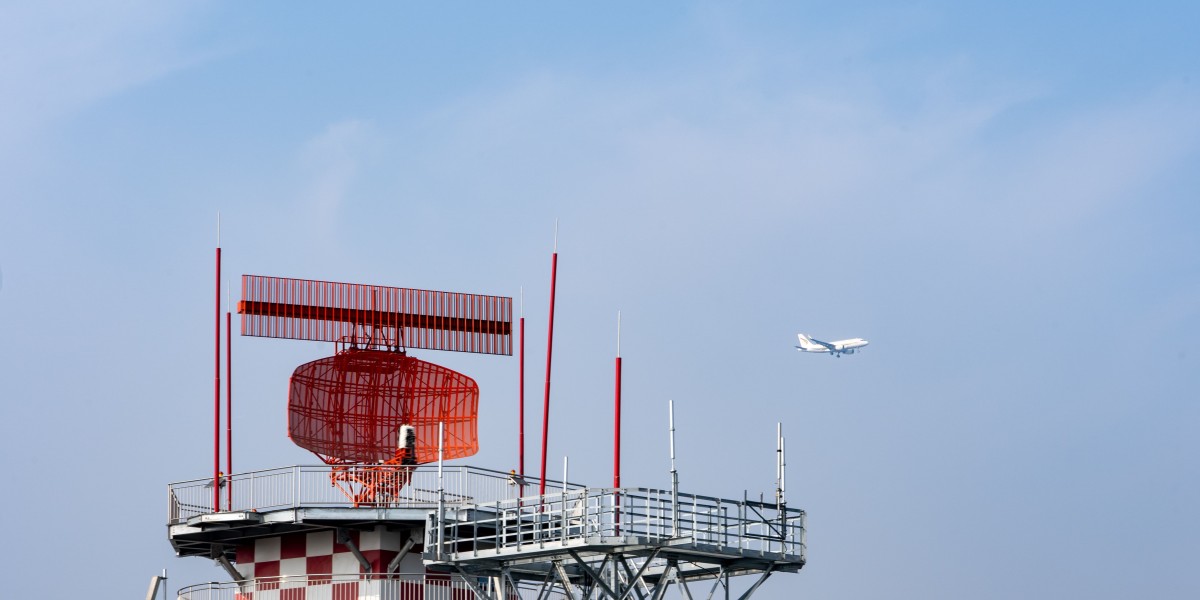

Aviation safety remains a central priority for airports, airlines, air navigation service providers, and technology developers. Within this environment, the airport surveillance radar market supports the development and implementation of systems that help monitor aircraft movements and improve awareness of surrounding airspace. Surveillance radar enables air traffic controllers to observe aircraft activity and use the available information when coordinating arrivals, departures, and other air traffic operations. As airports continue to modernize their facilities, radar technology remains an important part of aviation surveillance infrastructure.
The increasing adoption of aviation safety surveillance systems demonstrates the importance of maintaining dependable aircraft monitoring capabilities. These systems contribute to a clearer understanding of aircraft positions and movements, helping operational personnel coordinate traffic in accordance with established procedures. Their effectiveness depends on appropriate equipment selection, proper installation, integration with air traffic management infrastructure, and consistent maintenance.
Technological innovation is one of the major themes shaping the airport surveillance radar industry. Radar manufacturers continue to explore improvements in signal processing, target detection, data presentation, and system integration. Such developments can help make surveillance information more useful to air traffic controllers, particularly in operational environments that involve numerous aircraft movements. Clear and reliable information supports informed decision-making, although radar must be used alongside other surveillance resources and established aviation safety procedures.
Airport environments can present different surveillance challenges. Some facilities operate near coastal areas, mountainous terrain, or densely developed urban surroundings, while others manage extensive runway networks and complex airspace arrangements. These conditions influence the selection and positioning of radar equipment. Airport authorities must assess coverage requirements, environmental factors, operational priorities, and compatibility with existing systems before implementing new surveillance infrastructure.
Another important consideration is the coordination of surveillance information across aviation systems. Modern airports depend on communication networks, air traffic management platforms, navigation technologies, and operational procedures working together. Radar information can become more useful when it is incorporated into systems that provide controllers with a coordinated view of aircraft activity. This approach can improve information accessibility and support consistent operational awareness across relevant facilities.
Maintenance and reliability are equally important to aviation safety. Surveillance equipment must be maintained according to operational requirements, technical specifications, and applicable procedures. Regular inspections, performance monitoring, fault identification, and appropriate repairs help support dependable system operation. Airports also need trained personnel who understand equipment functions and can respond effectively when technical issues arise. These considerations influence both procurement decisions and long-term operational planning.
Cybersecurity and system resilience are receiving greater attention as aviation infrastructure becomes more connected. Digital integration creates opportunities for better information sharing, but it also requires careful management of access controls, network security, software updates, and operational continuity. Airport authorities and technology providers must consider these requirements when designing and maintaining integrated surveillance environments.
The industry also faces challenges involving procurement complexity and infrastructure compatibility. Replacing established equipment may require substantial planning, coordination with operational teams, and careful implementation to avoid disrupting airport activities. Organizations must balance modernization objectives with available resources, maintenance capabilities, and the need to maintain continuity in surveillance operations.
Looking ahead, airport surveillance radar innovation will continue to be influenced by the need for reliable aircraft monitoring, integrated digital infrastructure, and consistent aviation safety practices. Technology providers that prioritize dependable performance, maintainability, and interoperability can help airports address changing surveillance requirements.
In conclusion, the airport surveillance radar market contributes to aviation safety by supporting aircraft monitoring and air traffic coordination. Ongoing technological development, effective maintenance, and careful integration will remain essential to the future of airport surveillance operations.
FAQs
Q1. How does airport surveillance radar contribute to aviation safety?
It provides aircraft movement information that helps air traffic controllers maintain situational awareness and coordinate traffic using established safety procedures.
Q2. What innovations are influencing airport surveillance radar technology?
Developments in signal processing, target detection, digital integration, system reliability, and surveillance data presentation are influencing the industry.