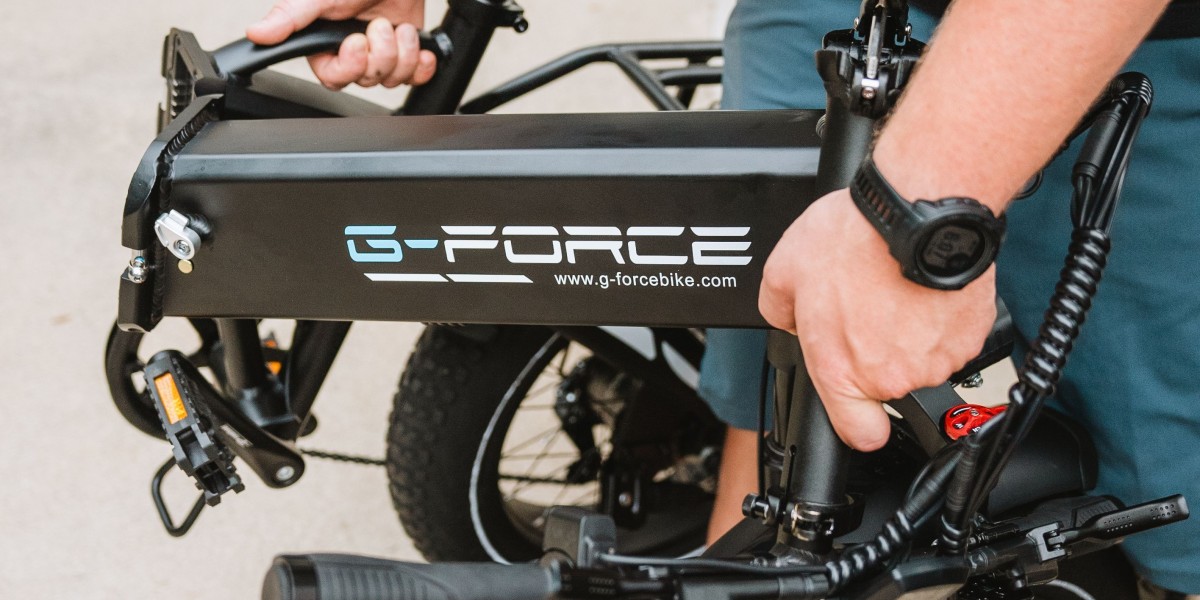

The folding mountain bike market reflects the changing preferences of cycling enthusiasts who want versatility, convenience, and outdoor adventure in a single product. Mountain biking has become an appealing activity for people who enjoy exploring natural landscapes, traveling along uneven trails, and incorporating physical activity into their daily routines. At the same time, practical concerns such as storage space, transportation, and flexible usage have encouraged interest in bicycles that can adapt to different environments. Folding mountain bikes combine the adventurous character of mountain bicycles with a design that allows the frame to fold for easier storage and transport. This combination makes them relevant to consumers seeking a practical cycling solution without giving up the excitement of off-road riding.
The growing interest in portable off-road bicycles highlights how consumers are exploring cycling products that accommodate active lifestyles and changing travel needs. Riders may want a bicycle that can be stored in a compact apartment, carried in a vehicle, or taken along on outdoor trips. Folding mountain bikes address these preferences by bringing together portability and features associated with recreational trail cycling. As consumers consider how bicycles fit into their everyday routines, product convenience, riding comfort, and adaptability can become important factors in purchasing decisions.
Convenience and Portability in Modern Cycling
Portability is one of the defining characteristics of folding mountain bikes. Traditional mountain bikes can require considerable storage space, particularly for people living in apartments or homes with limited dedicated storage areas. A folding design can make it easier to place a bicycle in a closet, vehicle compartment, or other suitable storage location. This feature may appeal to urban residents who want access to outdoor recreation without allowing a bicycle to occupy a large portion of their living space.
Transportation convenience can also influence consumer interest. Some cycling enthusiasts prefer to travel by car to reach trails, parks, or countryside routes. A foldable bicycle can simplify the process of transporting cycling equipment, depending on the bicycle's folded dimensions and weight. Riders can also consider whether the bicycle is suitable for their particular travel arrangements before purchasing it.
However, portability must be balanced with practical riding requirements. Consumers generally need to examine the folding mechanism, frame construction, wheel design, braking system, and overall stability. A folding mountain bike should be selected according to its intended use rather than portability alone. Riders who frequently explore rough trails may have different expectations from those who mainly cycle on park paths and relatively smooth outdoor routes.
Product Design and Functional Innovation
Product design plays an important role in shaping the appeal of folding mountain bikes. Manufacturers must consider how the frame can fold securely while maintaining appropriate rigidity during riding. The folding mechanism needs to be practical to operate, while its locking components should provide dependable engagement when the bicycle is unfolded. Ease of adjustment and straightforward maintenance can further influence the ownership experience.
Frame materials, suspension arrangements, tire patterns, and handlebar configurations can also affect how a bicycle performs. Consumers interested in off-road riding may prioritize traction, steering control, and shock absorption. Those who use their bicycles for mixed recreational activities may place greater importance on comfortable positioning and general versatility.
Design improvements can help manufacturers address the challenge of combining compact storage with dependable riding characteristics. Attention to hinges, joints, frame geometry, and component integration can support product differentiation. Clear instructions and accessible maintenance information may also help buyers feel more confident when using a folding bicycle for the first time.
Outdoor Recreation and Lifestyle Preferences
The popularity of outdoor recreation creates opportunities for bicycle designs that support flexible travel and exploration. Folding mountain bikes can appeal to individuals who enjoy combining cycling with camping, road trips, nature visits, and weekend excursions. Their compact design may simplify transportation when storage space is limited, allowing riders to consider cycling as part of a broader recreational experience.
These bicycles may also suit consumers who want one bicycle for different situations. A rider might use the bicycle for casual neighborhood rides and transport it to a suitable outdoor trail when an opportunity arises. Nevertheless, suitability depends on the bicycle's specifications, terrain compatibility, and the rider's experience. Not every folding model is designed for demanding mountain trails, so understanding the intended riding conditions remains essential.
Cycling communities, outdoor retailers, and recreational groups can help consumers learn about appropriate equipment and safe riding practices. Product demonstrations and opportunities to inspect folding mechanisms may be especially useful because buyers often want to understand how a bicycle feels both when folded and when ready to ride.
Consumer Considerations and Market Opportunities
Purchasing decisions in the folding mountain bike market can depend on price, durability, convenience, comfort, and ease of maintenance. Buyers may compare folding systems, frame strength, tire quality, braking performance, and the availability of replacement components. They may also consider whether the bicycle fits their body size and whether its folded dimensions are appropriate for their storage arrangements.
Manufacturers and retailers can respond to these needs through practical product information, clear demonstrations, and designs aimed at different cycling preferences. Some consumers may prefer lightweight options for easier transportation, while others may prioritize rugged construction for recreational riding. Offering understandable product comparisons can help buyers identify the most suitable design.
Customer support is another important consideration. Folding bicycles contain moving connections that may require inspection and maintenance. Guidance on checking locking mechanisms, caring for components, and identifying signs of wear can contribute to a more reliable ownership experience. Retailers that provide useful after-sales assistance may strengthen consumer confidence and encourage repeat purchases.
Future Outlook for Folding Mountain Bikes
The folding mountain bike market may continue to evolve as consumers look for products that combine mobility, recreational value, and efficient storage. Design refinement, improved component integration, and attention to user convenience can influence future product development. Manufacturers that understand the needs of urban cyclists, outdoor enthusiasts, and recreational travelers may be better positioned to develop relevant product offerings.
Ultimately, folding mountain bikes offer an alternative for riders who value flexibility alongside outdoor enjoyment. Their appeal depends on the ability to balance portability with safety, stability, comfort, and appropriate terrain performance. As consumers become more selective about how cycling equipment fits into their lifestyles, practical design and reliable construction will remain important considerations.
Frequently Asked Questions
FAQ 1: What is a folding mountain bike?
A folding mountain bike is a bicycle designed with a foldable frame or folding mechanism that allows it to become more compact for storage and transportation. Depending on the model, it may include features intended for recreational off-road cycling.
FAQ 2: What should buyers consider before purchasing a folding mountain bike?
Buyers should consider frame strength, folding security, braking performance, tire design, riding comfort, bicycle weight, storage requirements, and the type of terrain they intend to explore. They should also verify that the selected model is suitable for their planned riding conditions.