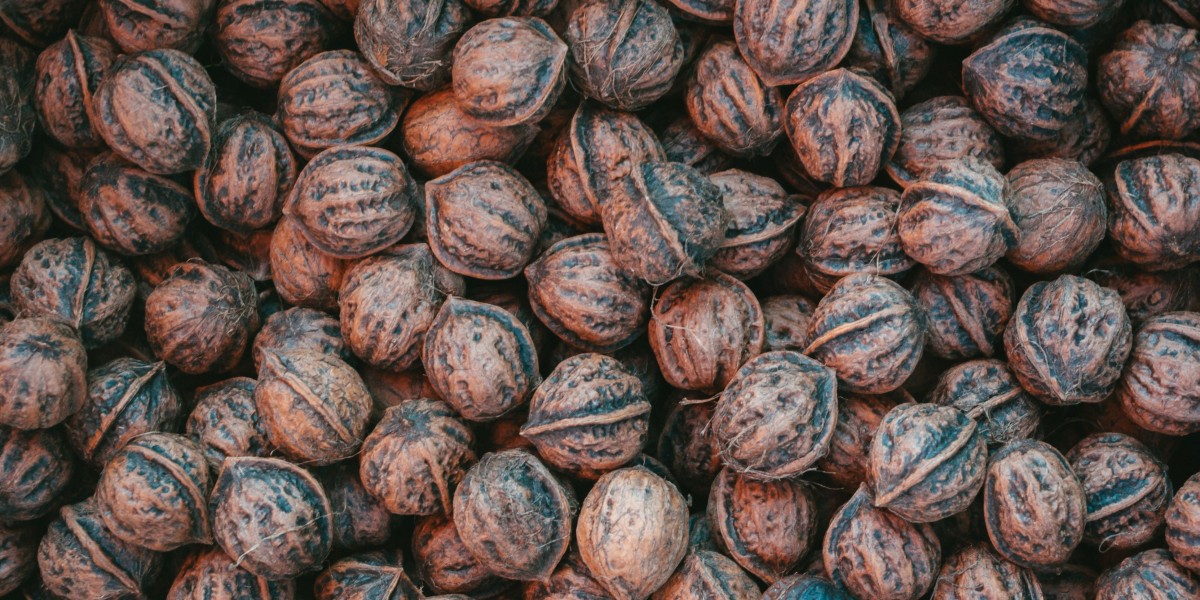

The China tree nuts market provides opportunities for processors and food manufacturers to transform raw or minimally processed nuts into products suitable for retail, food service, and ingredient supply. Tree nuts can be cleaned, sorted, shelled, roasted, seasoned, chopped, ground, or incorporated into other food preparations. These processes help create different product formats and expand the ways nuts can be used in everyday food production. As manufacturers seek greater product variety and reliable ingredient quality, processing capabilities remain an important part of the tree nuts supply chain.
The development of China tree nut processing solutions is connected to the need for consistent products that meet different customer and manufacturing requirements. Processors may supply whole nuts, kernels, pieces, powders, roasted snacks, or ingredients for confectionery and bakery products. Each format requires suitable handling, equipment, quality checks, and packaging. Businesses that coordinate these activities effectively can serve customers seeking ingredients with specific characteristics while helping maintain product quality throughout the supply chain.
The Role of Processing in the Tree Nuts Industry
Processing helps convert tree nuts into formats suited to different applications. Whole nuts may be sold directly to consumers, while shelled kernels can be supplied to food manufacturers. Chopped or ground nuts may be used in bakery products, confectionery, fillings, toppings, and other prepared foods.
Cleaning and sorting are important early stages because they help remove unwanted material and separate products according to defined requirements. Depending on the type of nut and intended use, additional steps may include shell removal, size grading, roasting, cutting, grinding, or seasoning.
Each processing method affects the characteristics of the finished product. Roasting can change flavor and texture, while grinding creates ingredients suitable for pastes, fillings, and other preparations. Chopping allows nuts to be distributed more easily throughout recipes or used as toppings.
Processors need to match the selected method to the intended product. Excessive processing or unsuitable handling can damage the nuts and affect appearance, texture, or flavor.
Equipment and Production Efficiency
Tree nut processing requires equipment suited to the characteristics of the raw material and the intended output. Different operations may involve cleaning systems, shelling equipment, sorting machinery, roasting units, cutting equipment, grinders, and packaging systems.
The appropriate equipment depends on the type of nut, the desired product format, and the production process. Processors must also consider ease of cleaning, maintenance requirements, product handling, and the ability to maintain consistent output.
Production efficiency is not simply a matter of processing products quickly. Businesses must balance operational performance with product integrity and quality control. Damaged kernels, uneven roasting, inconsistent particle sizes, or excessive waste can affect the value of the final product.
Well-organized workflows can help reduce unnecessary handling and improve coordination between processing stages. Staff training and equipment maintenance are also important for consistent operations.
Quality Control and Food Safety
Quality control is essential throughout the tree nut processing chain. Raw materials should be inspected according to appropriate specifications, and processing conditions should be managed to support the required product characteristics.
Tree nuts can be affected by moisture, improper storage, contamination, and unsuitable handling. Processors need procedures for receiving, sorting, processing, packaging, and storing ingredients. Cleaning practices and equipment maintenance can help reduce contamination risks.
Allergen management is especially important because tree nuts are recognized allergens. Facilities that handle different ingredients need appropriate procedures to prevent unintended cross-contact and ensure that product information is accurate.
Some tree nuts may also be vulnerable to contamination by molds and associated toxins under unsuitable growing or storage conditions. Appropriate supplier controls, inspection, and food safety procedures are therefore important parts of responsible processing.
Packaging and storage should preserve product quality after processing. The selection of suitable packaging can help protect nuts from moisture and oxygen, while appropriate storage practices can help maintain their intended characteristics.
Processing for Different Market Segments
Different customers require different tree nut formats. Retailers may purchase whole or roasted nuts packaged for direct consumption, while bakeries may need chopped nuts, nut pieces, or ground ingredients. Confectionery manufacturers may require ingredients with specific sizes, flavors, and handling properties.
Food-service businesses may value dependable supplies that are easy to incorporate into recipes. Ingredient distributors may seek products that can serve several types of customers while meeting consistent specifications.
Processors can respond by offering clearly defined product grades and formats. Good communication between buyers and suppliers helps establish requirements for appearance, particle size, flavor, packaging, and storage.
Customized processing can also help businesses create products suited to particular recipes or applications. However, customization must be supported by appropriate production controls and reliable raw material availability.
Packaging and Supply Chain Management
After processing, products must be packaged and transported under suitable conditions. Packaging helps protect the nuts and provides information about the contents, handling requirements, and intended use.
Efficient supply chain management connects growers, importers where applicable, processors, distributors, retailers, and food manufacturers. Delays or inconsistent raw material quality can affect production planning, so businesses benefit from clear specifications and dependable supplier relationships.
Traceability can help businesses identify ingredient origins and investigate quality concerns. Organized records and consistent handling practices also support accountability across the supply chain.
Future Opportunities for Processors
The China tree nuts market offers opportunities for processors that combine operational efficiency with strong quality management. Product diversification, improved handling, application-specific processing, and reliable packaging can help businesses serve a wider range of customers.
As food manufacturers explore different recipes and formats, demand for suitable nut ingredients can create opportunities for specialized processing services. Businesses that understand customer needs and maintain consistent product standards can build lasting relationships throughout the food supply chain.
FAQs
Q1. What are the main processing methods used for tree nuts?
Common methods include cleaning, sorting, shelling, roasting, chopping, grinding, seasoning, and packaging, depending on the nut variety and intended application.
Q2. Why is quality control important in tree nut processing?
Quality control helps preserve flavor and texture, reduce contamination risks, maintain consistent specifications, and support appropriate allergen management.