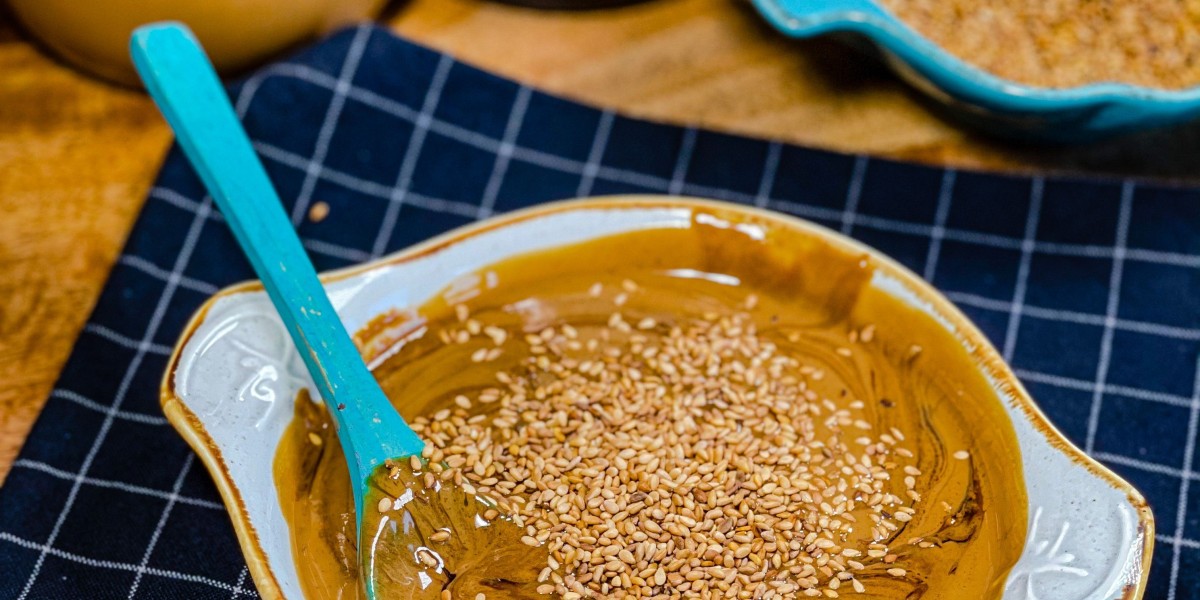

The UK tahini market is becoming an increasingly interesting part of the food and ingredient landscape as consumers discover more ways to use sesame-based products in everyday meals. Tahini, traditionally associated with Middle Eastern and Mediterranean cuisine, has developed into a versatile pantry ingredient that can be used across savory dishes, sauces, dips, dressings, bakery products, desserts, and breakfast recipes. Its creamy texture and distinctive sesame flavor allow it to work as both a primary ingredient and a supporting component. As food preferences continue to evolve, tahini is finding opportunities beyond traditional recipes and becoming increasingly relevant to modern cooking habits.
One important area supporting this changing perception is the growing interest in sesame paste products, which provide consumers with a convenient way to explore sesame-based flavors at home. Tahini can be incorporated into hummus, salad dressings, vegetable sauces, wraps, sandwiches, dips, and spreads without requiring complicated preparation. Its ability to complement both sweet and savory foods also gives manufacturers and food businesses opportunities to create products for different consumption occasions. This versatility can help tahini appeal to consumers who may not have previously considered it part of their regular pantry selection.
The changing food culture in the United Kingdom is also creating an environment where internationally inspired ingredients can become part of everyday cooking. Consumers are increasingly interested in discovering flavors associated with different culinary traditions while adapting them to familiar meals. Tahini fits naturally into this movement because it can be used in traditional recipes as well as contemporary food creations. A simple tahini dressing, for example, can transform roasted vegetables, grain bowls, salads, or wraps into a more distinctive meal.
Another factor influencing the market is the growing popularity of home cooking. Consumers looking for convenient ways to add flavor to meals can use tahini without extensive preparation. It can be mixed with lemon juice, herbs, spices, garlic, or other ingredients to create sauces and dressings. It can also be spread on toast, incorporated into breakfast bowls, or blended into homemade dips. Such flexibility makes tahini attractive for consumers who want one ingredient that can support several recipes.
Product presentation can also influence how consumers perceive tahini. Traditional jars remain familiar, but convenient packaging concepts can make the product easier to use. Resealable containers, squeeze formats, smaller packages, and easy-to-pour designs can help address practical concerns such as storage, portioning, and preparation. Packaging that communicates simplicity and versatility can also encourage consumers to experiment with tahini in new ways.
The UK tahini market may also benefit from innovation in flavor profiles. While classic tahini remains important, manufacturers can explore combinations involving herbs, spices, citrus, cocoa, dates, or other complementary ingredients. These variations can introduce tahini to consumers who are looking for something different from conventional spreads and sauces. Flavor experimentation can also create opportunities for seasonal products, limited editions, and specialized culinary applications.
Foodservice represents another meaningful area of opportunity. Restaurants, cafés, catering businesses, and casual dining establishments can use tahini in dips, sauces, dressings, fillings, and plated dishes. Its ability to work across multiple cuisines gives chefs flexibility when developing menus. Tahini can appear alongside roasted vegetables, grilled foods, falafel, salads, flatbreads, and desserts, allowing businesses to use the same ingredient across different menu categories.
Retailers also have an opportunity to improve consumer awareness by positioning tahini alongside products beyond the traditional international-food section. Placement near spreads, sauces, healthy cooking ingredients, baking products, or plant-based foods can encourage shoppers to recognize its broader uses. Clear packaging communication and recipe suggestions can further help consumers understand how the product fits into everyday cooking.
Digital food culture can contribute to this evolution as well. Recipe creators, food bloggers, chefs, and social platforms provide consumers with ideas for using familiar ingredients in unfamiliar ways. When consumers encounter visually appealing tahini-based recipes, they may become more willing to purchase the ingredient and experiment at home. This can strengthen awareness and encourage repeat use when the product proves easy to incorporate into regular meals.
Looking ahead, the UK tahini market is likely to remain connected to broader changes in food preferences, culinary experimentation, convenience, and product innovation. The category has room to develop through new formats, creative recipes, improved packaging, and expanded retail visibility. As consumers become more comfortable with sesame-based ingredients, tahini can continue moving from a specialized product toward a more familiar component of modern kitchens.
FAQ 1: What is tahini commonly used for?
Tahini is commonly used in hummus, dips, sauces, salad dressings, spreads, marinades, baked foods, desserts, and breakfast recipes. Its creamy consistency and sesame flavor make it suitable for both savory and sweet preparations.
FAQ 2: Why is tahini becoming more versatile in the UK food market?
Tahini can be adapted to many cuisines and meal occasions. Its use in traditional dishes as well as modern recipes gives manufacturers, retailers, chefs, and consumers numerous ways to incorporate it into everyday food.