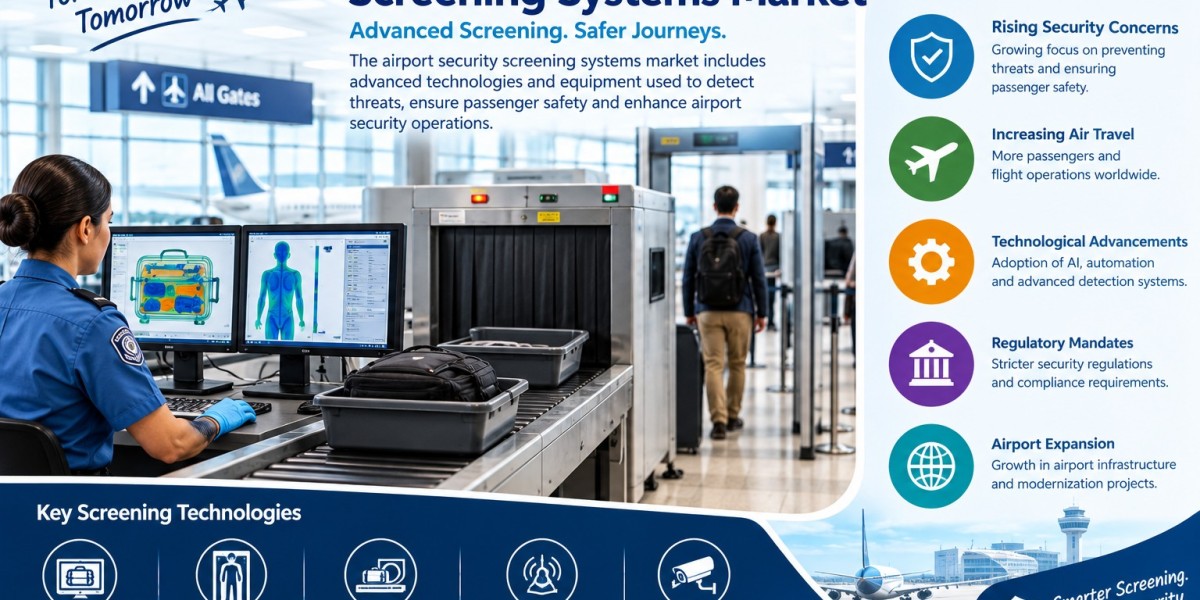

Airport security is an essential part of modern air travel, and screening systems have become increasingly important for maintaining safe and organized airport environments. From passenger checkpoints to baggage inspection areas, airports depend on screening technologies to identify potential risks while supporting the smooth movement of travelers and airport personnel. The airport security screening systems market reflects the continued development of technologies designed to strengthen security procedures without unnecessarily complicating the passenger experience. As airports become more connected and operational requirements become more sophisticated, screening systems are evolving from individual security devices into coordinated solutions that can support multiple stages of airport protection.
One important area of development is the growing use of airport passenger screening technology, which combines different screening approaches to support security teams during checkpoint operations. airport passenger screening technology Modern screening environments can involve imaging equipment, detection systems, identity verification tools, and software-supported processes. The objective is not simply to identify prohibited items but also to create a structured screening environment in which security personnel can manage passenger movement efficiently. This broader approach is encouraging airports to consider how different technologies can work together rather than treating every security function as an isolated operation.
Technological development continues to influence the design of airport security checkpoints. Traditional screening equipment remains relevant, but advanced imaging and automated detection capabilities are creating new possibilities for security operations. Modern systems can provide security personnel with more detailed information during inspection, helping them examine potential concerns more systematically. Improved interfaces can also make it easier for operators to interpret screening results and respond when additional inspection is required.
Baggage screening is another important part of airport security infrastructure. Carry-on baggage, checked luggage, and other airport-related items require appropriate inspection procedures. Advanced screening equipment can support the examination of baggage while helping airports organize the flow of items through security areas. Integration between screening equipment and baggage-handling operations can contribute to a more coordinated environment, particularly in airports where passenger movement and baggage processing occur at a large scale.
Passenger experience is also influencing screening system development. Security procedures need to remain effective while fitting naturally into the airport journey. Long or complicated screening processes can create congestion and increase operational pressure. As a result, airports are increasingly interested in technologies and layouts that can support efficient passenger processing. Automated systems, improved imaging, and integrated identity processes can help create a more organized checkpoint environment when implemented alongside suitable procedures and trained personnel.
Another important trend is the increasing role of software in security screening. Screening equipment is no longer dependent solely on physical hardware. Software can support image analysis, system monitoring, workflow coordination, reporting, and equipment management. This creates opportunities for airports to improve how screening information is handled across different parts of the security environment. Connected systems can also support centralized oversight, allowing security teams to understand operational conditions more clearly.
Cybersecurity and information protection are becoming relevant considerations as screening systems become more connected. Airports operate complex digital environments, and security equipment can interact with other operational systems. Protecting these connections is therefore an important part of maintaining dependable screening operations. System designers and airport operators must consider access controls, secure communications, software management, and operational continuity when introducing connected security technologies.
Training remains equally important. Even highly advanced screening equipment depends on capable personnel who understand how to operate systems and respond appropriately to alerts. Airports therefore need to consider technology, procedures, and human expertise as connected elements. Effective training can help personnel use equipment consistently and understand the appropriate response to different screening situations.
The airport security screening systems market is also influenced by airport modernization. New airport facilities can incorporate screening requirements into their designs from the beginning, while existing airports may need to upgrade equipment within established infrastructure. Upgrade projects can involve equipment replacement, software improvements, checkpoint redesign, or integration with other security technologies. This creates opportunities for solutions that are adaptable and compatible with existing airport environments.
Looking ahead, airport security screening is likely to become increasingly integrated, automated, and information-driven. The focus is moving toward systems that can support security personnel while also improving operational coordination. As airport environments continue to evolve, screening technologies will remain an important component of aviation security infrastructure. The future direction of the market will be shaped by technological innovation, operational requirements, passenger expectations, system integration, and the continuing need for dependable security procedures.
FAQs
FAQ 1: What is the airport security screening systems market?
The airport security screening systems market covers technologies and solutions used to inspect passengers, baggage, cargo, and other areas of airport operations for security purposes.
FAQ 2: Why are advanced screening systems important for airports?
Advanced screening systems can help airports strengthen security procedures, support security personnel, improve checkpoint organization, and create a more coordinated screening environment.