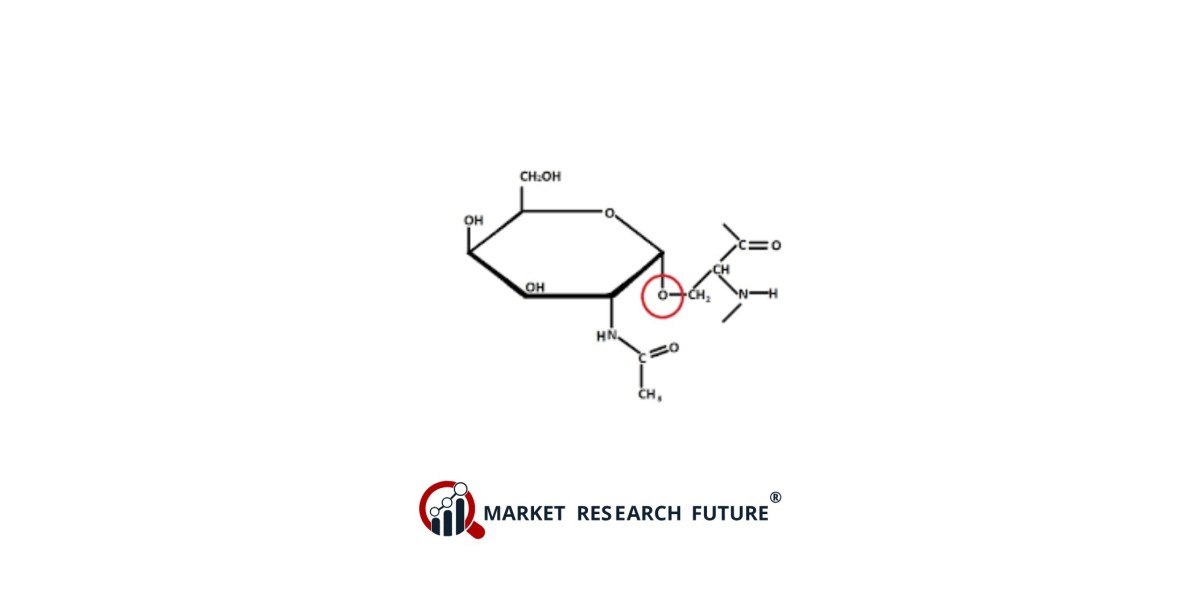

The glycoprotein market is on the rise, with projections indicating a significant increase in market size from USD 6.39 billion in 2024 to USD 10.08 billion by 2035. This corresponds to a compound annual growth rate (CAGR) of 4.23%. As biopharmaceutical applications soar, the demand for glycoproteins is expected to surge, particularly driven by advancements in biotechnology and personalized medicine. The increase in applications across therapeutics, especially in diagnostics and drug development, is redefining industry dynamics. The shift towards innovative treatment solutions marks a critical phase for stakeholders looking to capitalize on this burgeoning sector The development of glycoprotein market dynamics continues to influence strategic direction within the sector.
Current market dynamics reveal a competitive landscape characterized by major players such as Roche (CH), Novartis (CH), and Merck KGaA (DE). These industry leaders are instrumental in driving innovation and enhancing production capabilities. Moreover, companies like Amgen (US) and GSK (GB) are focusing their resources on research and development to tap into new therapeutic applications. With ongoing investment in biotechnology, these market players are enhancing their portfolio of glycoprotein-based products, catering to the growing needs in healthcare. The comprehensive market analysis indicates that North America remains the largest market for glycoproteins, while Asia-Pacific is emerging as the fastest-growing region.
Various drivers are propelling the glycoprotein market forward. The need for innovative therapeutic solutions is increasing, particularly in the context of chronic diseases and genetic disorders. The emphasis on personalized medicine has further fueled demand for glycoprotein-based therapeutics, providing tailored treatment options that enhance patient outcomes. Regulatory advancements in biopharmaceutical development are also playing a pivotal role; streamlined processes are expediting the introduction of new drugs into the market. However, challenges such as high production costs and complex manufacturing processes pose risks to market growth. Companies must navigate these hurdles to maintain competitiveness in a rapidly evolving landscape.
A regional analysis reveals North America’s dominance in the glycoprotein market, accounting for a substantial portion of global revenues. This trend is supported by a high prevalence of chronic diseases and increasing investment in healthcare infrastructure. In fact, North America accounted for over 40% of the global market share in 2022, showcasing its established healthcare ecosystem. Conversely, the Asia-Pacific region is witnessing remarkable growth, driven by an upsurge in research activities and rising interest in biotechnology. Countries like China and India are investing heavily in biopharmaceuticals, with China alone projected to reach a market size of USD 3.1 billion by 2030. This reflects a shift that could reshape the competitive landscape in the coming years, as regional players begin to emerge and challenge established incumbents.
The future outlook for the Glycoprotein Market indicates ample investment opportunities. The increasing adoption of glycoproteins in diagnostics and therapeutics is creating avenues for companies to explore new applications. The growing focus on personalized medicine presents significant investment opportunities, particularly for those involved in novel drug development. Additionally, advancements in manufacturing technologies are likely to reduce production costs and improve scalability, further enhancing the market dynamics. Companies that embrace innovation and adapt to changing consumer needs will be well-positioned to capture a larger market share.
Looking ahead to 2035, the glycoprotein market is expected to experience transformative changes. Stakeholders can anticipate substantial technological advancements that will optimize production processes and expand application scopes. For example, the integration of artificial intelligence in biomanufacturing is projected to enhance efficiency and reduce waste by up to 30%, fundamentally altering the cost structure of glycoprotein production. As the demand for biopharmaceuticals rises, companies that strategically position themselves to leverage market trends will likely enjoy a competitive edge. Market Research Future projects that organizations focusing on research and development will play a crucial role in shaping the future landscape. This foresight underlines the importance of agility and responsiveness to consumer demands in this evolving industry.
Browse for more reports: