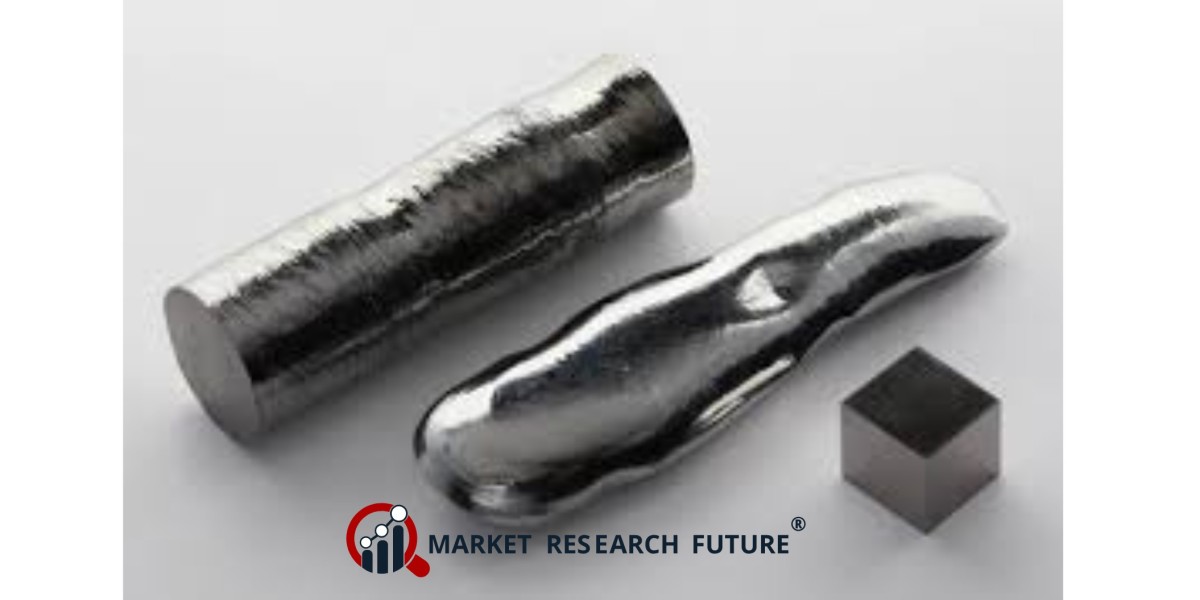

The competitive landscape of the rhenium market is rapidly evolving, with an expected market size of USD 1,027.48 million by 2035 driven by a CAGR of 4.84%. This growth reflects not only the increasing demand for rhenium in aerospace and electronics but also the strategic maneuvers of key players aiming to capture larger market shares. Companies are actively engaging in partnerships and technological innovations to enhance their production capabilities, positioning themselves favorably in this dynamic environment.
Notable companies contributing to this competitive landscape include American Rhenium Alloys (US) and H.C. Starck (DE), known for their advanced processing solutions. Additionally, Freeport-McMoRan (US) stands out as a leader in rhenium extraction, leveraging its extensive mining operations. Other significant players such as Teck Resources Limited (CA) and China Minmetals Corporation (CN) are also instrumental in shaping market dynamics. Their commitment to innovation and operational efficiency is critical, enabling them to respond effectively to changing market demands and customer needs.
Several factors are influencing the rhenium market's competitive landscape. First, the aerospace sector's requirement for high-performance materials is creating a surge in demand for rhenium products, compelling manufacturers to optimize their supply chains. Furthermore, the rise of advanced electronic components necessitates that companies innovate continuously, adapting to technological advancements. However, challenges such as fluctuating raw material costs and stringent environmental regulations pose risks for market players. Companies must navigate these hurdles while maintaining competitive pricing to secure market positions.
Regionally, the Asia-Pacific market is experiencing rapid growth, driven by industrial advancements and increased production capabilities. Countries like China are ramping up their manufacturing processes, resulting in heightened demand for rhenium. In contrast, North America, particularly the United States, remains a crucial market due to its established aerospace and defense industries. The competitive dynamics here are characterized by a mix of longstanding players and newer entrants looking to carve out a niche in this lucrative market.
Investment opportunities within the Rhenium Market hinge on innovation and technological advancement. Companies that invest in R&D to develop new applications for rhenium and enhance production efficiency stand to gain significant advantages. Additionally, strategic partnerships can create synergies that boost competitive performance, helping firms to mitigate risks and expand their market presence. Moreover, the evolving regulatory environment might open up new avenues for investment, as companies adapt to sustainability demands and eco-friendly practices.
The increasing demand for rhenium is underscored by its pivotal role in superalloys used in jet engines and gas turbines, where it enhances durability and performance. For example, the global aerospace market is projected to reach USD 1 trillion by 2030, with rhenium playing a vital role in the production of high-temperature superalloys that are essential for efficient aircraft operation. According to industry estimates, the use of rhenium in aerospace applications is expected to grow by over 6% annually, significantly contributing to the overall market growth. Additionally, the electronics sector, particularly in the production of advanced semiconductors, is witnessing a surge in rhenium usage, as it improves the efficiency and speed of electronic devices. This trend is further amplified by the increasing consumer demand for high-performance electronics, which is projected to grow at a CAGR of 5.5% through 2025.
As the rhenium market evolves, companies must also consider the geopolitical implications of rhenium supply chains. For instance, the concentration of rhenium production in certain regions, notably in Chile and the United States, poses risks related to supply disruptions due to political instability or trade policies. This concentration can lead to price volatility, influencing market dynamics significantly. Furthermore, companies that proactively engage in diversifying their supply sources and investing in alternative production technologies will likely mitigate risks associated with supply chain dependencies and enhance their competitive positions in the market.
As we approach 2035, the rhenium market's competitive landscape is expected to intensify. The anticipated growth to USD 1,027.48 million will likely attract new entrants, increasing competition. To thrive in this environment, companies must focus on innovation, efficient production, and strategic collaborations. Continued monitoring of industry trends and market dynamics will be essential for stakeholders looking to maintain an edge in the rhenium market moving forward.
Browse for more Reports: